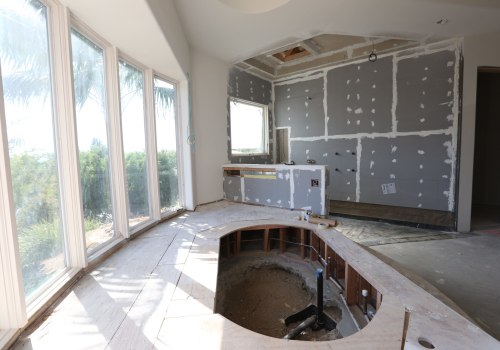
Renovating an older home can be a rewarding yet challenging endeavor. Homeowners often find themselves captivated by the charm and character of these properties, but understanding the unique challenges that come with them is essential for a successful renovation. One of the primary considerations is the potential for structural issues. Many older homes may have settled over time, leading to uneven floors, cracks in the walls, or even compromised foundations.
Addressing these structural concerns early in the renovation process is crucial to ensure the safety and longevity of the home. In addition to structural challenges, outdated systems pose another significant hurdle. Older homes often feature antiquated plumbing, electrical systems, and HVAC units that may not meet modern standards. Upgrading these systems can be costly but is necessary for both functionality and safety. Homeowners should also consider the implications of historical preservation.
If the home is located in a historic district or has been designated as a historic property, there may be strict guidelines governing what changes can be made. This can limit renovation options but also offers an opportunity to maintain the home's original character. Ultimately, setting realistic expectations and budgeting appropriately are key components of any home renovation project involving an older home. By acknowledging these challenges upfront, homeowners can better prepare themselves for the journey ahead, ensuring that their vision for their dream home aligns with the realities of renovating a piece of history.
Assessing the Condition of Your Home
Before diving into a home renovation, it is crucial to conduct a thorough assessment of your older home. This process not only helps you understand the current state of the property but also identifies potential issues that could impact your renovation plans.1.Hire a Professional Inspector
- Engaging a qualified home inspector can provide you with an unbiased evaluation of your home’s condition.
They will assess critical areas such as the foundation, roof, plumbing, and electrical systems.
- Look for inspectors who specialize in older homes, as they will be more familiar with common issues that arise in these properties.
2.Evaluate Structural Integrity
- Check for signs of structural damage, such as cracks in walls or ceilings, sagging floors, and uneven surfaces. These issues may require significant repairs before any renovation can take place.
- Pay attention to the basement and attic; these areas often reveal hidden problems like water damage or pest infestations.
3.Assess Systems and Utilities
- Older homes may have outdated plumbing and electrical systems that do not meet current codes. An inspection can help identify whether these systems need upgrades or replacements.
- Consider the age of the HVAC system as well; an inefficient heating and cooling system can lead to higher energy costs.
4.Look for Hazardous Materials
- Homes built before the 1980s may contain hazardous materials such as lead paint or asbestos. It is essential to have these materials tested and safely removed by professionals if found.
- Understanding these risks early on can save you time and money during your home renovation.
Identifying potential problems upfront allows you to budget appropriately and avoid unexpected surprises down the line.
Budgeting for Your Renovation Project
When embarking on a home renovation project, especially in an older home, establishing a realistic budget is crucial. The cost of renovating older homes can vary significantly based on the extent of the work needed and the materials chosen. Here are some key considerations to help you create an effective renovation budget:- Assess the Current Condition: Before you start budgeting, conduct a thorough inspection of your home. Identify any structural issues, outdated systems (like plumbing and electrical), and areas that require immediate attention.
This will help you estimate costs more accurately.
- Prioritize Your Needs: List out all the renovations you wish to undertake and categorize them into 'needs' versus 'wants.' Focus on essential repairs first, such as roof replacements or foundation work, before moving on to cosmetic upgrades.
- Research Costs: Gather estimates for materials and labor. Websites like HomeAdvisor or Angie's List can provide average costs for various renovation projects in your area. This research will give you a clearer picture of what to expect.
- Include a Contingency Fund: It’s wise to set aside 10-20% of your total budget for unexpected expenses that may arise during the renovation process. Older homes often reveal hidden problems once work begins, so having this buffer can prevent financial strain.
- Consider Financing Options: If your renovation costs exceed your budget, explore financing options such as home equity loans or personal loans.
Make sure to factor in interest rates and repayment terms when planning your budget.
Permits and Regulations: What You Need to Know
When embarking on a home renovation project for an older home, understanding the necessary permits and regulations is crucial. These legal requirements can vary significantly depending on your location and the scope of your renovation. Here are some key considerations:- Research Local Building Codes: Each municipality has its own set of building codes that dictate what is permissible in terms of construction, electrical work, plumbing, and more.
Familiarize yourself with these codes to avoid costly fines or having to redo work.
- Obtain Necessary Permits: Before starting any major renovations, you will likely need to apply for various permits. This may include permits for structural changes, electrical upgrades, or plumbing modifications. Check with your local building department to determine which permits are required for your specific project.
- Historic Preservation Regulations: If your older home is located in a historic district or is designated as a historic property, additional regulations may apply. These can include restrictions on exterior changes and requirements to maintain the home’s historical integrity.
- Environmental Considerations: Renovations that involve significant alterations may also require environmental assessments, especially if they could impact local ecosystems or involve hazardous materials like lead or asbestos.
- Consult Professionals: Engaging with architects, contractors, or legal experts who specialize in home renovation can provide invaluable guidance.
They can help navigate the complexities of permits and ensure compliance with all regulations.
Choosing the Right Materials and Techniques
When embarking on a home renovation, one of the most critical aspects to consider is the selection of the right materials and techniques. This choice not only impacts the overall aesthetic of your home but also its longevity and functionality.Best Materials for Renovation
Choosing materials that complement the original character of your home is essential. For instance, if you are renovating a Victorian-style house, consider using natural wood for trim and moldings, as it aligns with the historical integrity of the design. Additionally, brick or stone can be excellent choices for exterior renovations, providing durability and a classic look.Renovation Techniques
The techniques employed during renovation can significantly affect the outcome.For example, restoration techniques, such as stripping paint from original woodwork rather than replacing it, can preserve the home's unique character. Furthermore, employing traditional craftsmanship, like hand-cut dovetails in cabinetry, can enhance both beauty and value.
Sustainable Materials
In today's eco-conscious world, incorporating sustainable materials into your renovation is not only beneficial for the environment but can also improve your home's energy efficiency. Consider using reclaimed wood, which adds character while reducing waste. Additionally, materials like bamboo or recycled metal can provide modern aesthetics without compromising sustainability.Ultimately, the key to a successful home renovation lies in balancing respect for the home's original style with modern needs and sustainability.By carefully selecting materials and employing thoughtful techniques, you can create a space that is both beautiful and functional for years to come.
Hiring Professionals vs. DIY: Making the Right Choice
When it comes to home renovation, one of the most critical decisions homeowners face is whether to hire professionals or tackle the project themselves. Each approach has its own set of advantages and disadvantages that can significantly impact the outcome of your renovation.Pros of Hiring Professionals
- Expertise and Experience: Professionals bring a wealth of knowledge and experience to the table. They are familiar with building codes, permits, and best practices, which can save you time and potential legal issues.
- Quality Work: Hiring skilled contractors often results in a higher quality finish.
Their expertise can ensure that the work is done correctly the first time, reducing the need for costly repairs later.
- Time Efficiency: Professionals can complete renovations more quickly than most DIYers, allowing you to enjoy your newly renovated space sooner.
Cons of Hiring Professionals
- Cost: Hiring contractors can be expensive. Labor costs can add up quickly, making it essential to budget accordingly.
- Lack of Control: When you hire someone else, you may have less control over the project’s direction and timeline, which can lead to frustration if expectations aren’t met.
Pros of DIY Renovation
- Cost Savings: One of the most significant advantages of DIY is saving on labor costs. You can allocate your budget towards materials instead.
- Personal Satisfaction: Completing a renovation project yourself can be incredibly rewarding. It allows you to put your personal touch on your home and take pride in your work.
Cons of DIY Renovation
- Skill Limitations: Not everyone has the necessary skills for complex tasks like electrical work or plumbing.
Missteps can lead to safety hazards or costly mistakes.
- Time-Consuming: DIY projects often take longer than anticipated, especially if you’re learning as you go. This can disrupt your daily life and lead to frustration.
Preserving Historical Features While Modernizing
When embarking on a home renovation project for an older property, one of the most significant challenges is finding the right balance between preserving historical features and implementing modern upgrades. This delicate dance is essential not only for maintaining the home’s character but also for enhancing its overall value.Understanding Historical Significance
- Before making any changes, it’s crucial to research the home’s history.
Understanding its architectural style and historical significance can guide your renovation decisions.
- Consulting with local historical societies or preservation experts can provide insights into which features are essential to retain.
Identifying Key Features to Preserve
- Architectural Elements: Features such as moldings, original windows, and doors often define the character of a historical home. Consider restoring rather than replacing these elements whenever possible.
- Materials: Use materials that are consistent with the home’s era. For instance, if the original siding is wood, opt for wood rather than vinyl to maintain authenticity.
- Interior Details: Elements like fireplaces, built-in cabinetry, and staircases should be preserved or restored to reflect the home’s original design.
Modernizing Without Compromising
- Energy Efficiency: Upgrading insulation and installing energy-efficient windows can significantly improve comfort without detracting from historical aesthetics. Look for options that mimic the original style.
- Smart Home Technology: Integrating smart technology can enhance functionality.
Choose discreet installations that do not alter visible historical features.
- Open Floor Plans: While open concepts are popular in modern design, consider how to achieve this without losing the charm of defined spaces typical in older homes. Use partial walls or glass partitions to create flow while preserving character.
Sustainability in Home Renovation: Eco-Friendly Practices
As homeowners increasingly prioritize sustainability, eco-friendly practices in home renovation have become essential. Renovating an older home offers a unique opportunity to incorporate sustainable home renovation techniques that not only reduce environmental impact but also enhance the property’s value.One of the first steps in a sustainable renovation is to assess the existing structure.Retaining as much of the original materials as possible can significantly reduce waste. For instance, reclaimed wood can be used for flooring or cabinetry, providing a rustic charm while minimizing the need for new resources.
Energy-Efficient Upgrades
Upgrading to energy-efficient systems is another critical aspect of sustainable renovations. Consider installing Energy Star-rated appliances, which consume less energy and water compared to standard models. Additionally, enhancing insulation and sealing gaps can improve energy efficiency, leading to lower utility bills and a reduced carbon footprint.Eco-Friendly Materials
When selecting materials, opt for eco-friendly options.Look for products made from recycled materials or those that are sustainably sourced. For example, bamboo flooring is a popular choice due to its rapid growth and renewability. Similarly, low-VOC (volatile organic compounds) paints and finishes contribute to better indoor air quality.
Green Building Practices
Incorporating green building practices during renovation can further enhance sustainability. This includes using natural ventilation techniques, maximizing daylight through strategic window placement, and implementing rainwater harvesting systems.These practices not only promote environmental stewardship but also create healthier living spaces.Ultimately, embracing sustainability in home renovation is not just about making eco-conscious choices; it’s about creating a lasting impact on both the environment and your home’s value. By prioritizing energy efficiency and eco-friendly materials, homeowners can enjoy a beautiful space that aligns with their values.
Common Mistakes to Avoid During Renovation
Renovating an older home can be a rewarding experience, but it also comes with its own set of challenges. To ensure a successful home renovation, it’s crucial to avoid common mistakes that can lead to costly setbacks. Here are some pitfalls to watch out for:- Underestimating Costs: One of the most frequent errors homeowners make is not accurately estimating the total cost of the renovation.
Always include a buffer for unexpected expenses, typically around 10-20% of your budget.
- Ignoring Structural Issues: Before diving into cosmetic changes, assess the structural integrity of your home. Failing to address issues like foundation problems or outdated electrical systems can lead to bigger problems down the line.
- Neglecting Permits: Many homeowners overlook the importance of obtaining necessary permits. Skipping this step can result in fines and may even require you to undo completed work.
- Choosing Aesthetic Over Functionality: While it’s tempting to focus solely on aesthetics, remember that functionality is key. Ensure that your design choices enhance the usability of your space.
- DIY Overreach: While DIY projects can save money, taking on too much without proper skills can lead to shoddy work.
Know your limits and hire professionals when necessary.
Conclusion: Key Takeaways for Successful Home Renovation
In conclusion, embarking on a home renovation project, especially in an older home, requires a thoughtful approach and careful planning. Here are the key takeaways to ensure a successful renovation:- Assess the Structure: Before making any aesthetic changes, it’s crucial to evaluate the structural integrity of the home. Look for signs of damage or wear that may need addressing before cosmetic updates.
- Understand Local Regulations: Familiarize yourself with local building codes and regulations.
This can prevent costly delays and ensure that your renovations are compliant with safety standards.
- Budget Wisely: Establish a realistic budget that includes not only the renovation costs but also a contingency fund for unexpected expenses. This will help you avoid financial strain during the project.
- Preserve Historical Elements: If your older home has unique architectural features, consider preserving them. These elements can add character and value to your home, making it stand out in the market.
- Hire Professionals: While DIY projects can be rewarding, hiring experienced professionals for complex tasks can save time and ensure quality workmanship. This is particularly important for plumbing, electrical work, and structural changes.
- Plan for Energy Efficiency: Incorporating energy-efficient solutions during your renovation can lead to long-term savings on utility bills.
Consider upgrading insulation, windows, and appliances to modern standards.