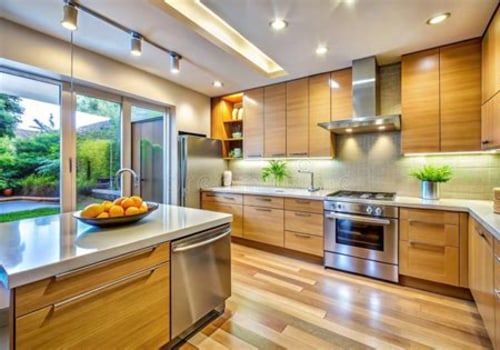
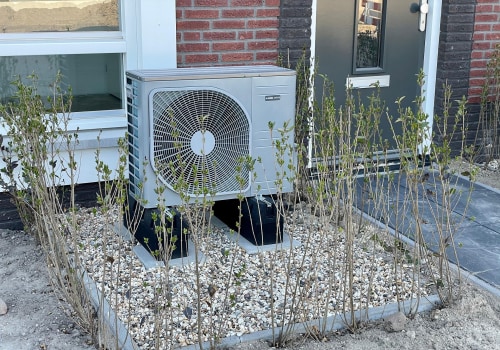
In recent years, the concept of eco-friendly home renovation has gained significant traction among homeowners and builders alike. As awareness of environmental issues grows, many are seeking ways to reduce their carbon footprint while enhancing the comfort and aesthetic appeal of their living spaces. This shift towards sustainability is not just a trend; it represents a fundamental change in how we approach home renovation. By integrating sustainable renovation options into our projects, we can create homes that are not only beautiful but also environmentally responsible.Understanding the importance of green building practices is essential for anyone considering a renovation.
Traditional construction methods often lead to excessive waste, energy consumption, and pollution. In contrast, eco-friendly renovations prioritize the use of renewable resources, energy-efficient systems, and sustainable materials. This not only minimizes environmental impact but can also lead to long-term savings on utility bills and maintenance costs.As we delve deeper into the various options available for eco-friendly renovations, it becomes clear that these choices can significantly enhance the quality of life for homeowners. From utilizing reclaimed materials to implementing energy-efficient appliances, each decision contributes to a healthier planet and a more sustainable future.
Embracing these practices not only benefits the environment but also fosters a sense of community responsibility and personal fulfillment.
Choosing Sustainable Materials
When embarking on a home renovation, selecting sustainable materials is crucial for minimizing environmental impact while enhancing the aesthetic and functional qualities of your space. Here are some eco-friendly options to consider:- Reclaimed Wood: This material is salvaged from old buildings, barns, and other structures. Using reclaimed wood not only reduces the demand for new lumber but also adds character and history to your home.
- Bamboo: Known for its rapid growth and renewability, bamboo is an excellent alternative to traditional hardwoods. It is strong, durable, and can be used for flooring, cabinetry, and even furniture.
- Recycled Metal: Incorporating recycled metal into your renovation can significantly reduce waste.
This material is often used for roofing, siding, and fixtures, providing a modern look while being environmentally friendly.
- Low-VOC Paints: Volatile Organic Compounds (VOCs) found in traditional paints can harm indoor air quality. Opting for low-VOC or zero-VOC paints ensures a healthier living environment without sacrificing color or finish.
Energy-Efficient Upgrades
When considering a home renovation, incorporating energy-efficient upgrades can significantly enhance your home's sustainability while also reducing long-term costs.These upgrades not only contribute to a healthier environment but also improve the comfort and value of your home.
Insulation Improvements
One of the most effective ways to increase energy efficiency is by upgrading your insulation. Proper insulation helps maintain a consistent indoor temperature, reducing the need for heating and cooling systems to work overtime. Consider using eco-friendly insulation materials such as:- Cellulose: Made from recycled paper, cellulose is an excellent insulator and has a low environmental impact.
- Spray Foam: This option provides superior air sealing and can be made from renewable resources.
- Sheep's Wool: A natural insulator that is both sustainable and effective at regulating humidity.
Energy-Efficient Windows and Doors
Replacing old windows and doors with energy-efficient models can drastically reduce heat loss in winter and keep your home cooler in summer. Look for products that have:- Low-E Glass: This type of glass reflects heat while allowing natural light to enter.
- Energy Star Ratings: Products with this certification meet strict energy efficiency guidelines set by the U.S.
Environmental Protection Agency.
- Proper Sealing: Ensure that all windows and doors are properly sealed to prevent drafts.
Solar Panel Installation
Installing solar panels is one of the most impactful energy-saving upgrades you can make during a home renovation. Solar energy harnesses the power of the sun to generate electricity, which can significantly lower your utility bills. Additionally, many states offer incentives for solar panel installation, making it a financially savvy choice. When considering solar panels, keep in mind:- The orientation and angle of your roof for optimal sun exposure.
- The potential for battery storage systems to maximize energy use.
- The long-term savings on energy costs versus the initial investment.
Water Conservation Techniques
Incorporating water conservation techniques into your home renovation not only helps the environment but also reduces utility bills.Here are some effective strategies to consider:
- Low-Flow Fixtures: Installing low-flow faucets, showerheads, and toilets can significantly reduce water usage without sacrificing performance. These fixtures are designed to use less water while maintaining adequate pressure, making them an excellent choice for eco-conscious homeowners.
- Eco-Friendly Plumbing Options: When renovating, consider using recycled materials for plumbing systems. PEX (cross-linked polyethylene) piping is a popular choice due to its durability and lower environmental impact compared to traditional copper or PVC pipes.
- Rainwater Harvesting Systems: Implementing a rainwater harvesting system can provide a sustainable water source for irrigation and non-potable uses. By collecting rainwater from your roof and storing it in barrels or tanks, you can reduce reliance on municipal water supplies.
- Drought-Resistant Landscaping: Opt for drought-resistant plants and xeriscaping techniques in your outdoor spaces.
This approach minimizes the need for irrigation by selecting native plants that thrive in your local climate, thus conserving water.
Indoor Air Quality Improvements
When considering eco-friendly home renovation, one of the most critical aspects to address is indoor air quality. Poor air quality can lead to various health issues, making it essential to create a healthy home environment during renovations.One effective way to improve indoor air quality is by using non-toxic materials. Traditional building materials often contain harmful chemicals that can off-gas into your living space.Opting for low-VOC (volatile organic compounds) paints, adhesives, and finishes can significantly reduce indoor pollutants. Look for products that are certified by organizations like the Green Seal or Greenguard, which ensure that materials meet strict environmental standards.In addition to selecting non-toxic materials, proper ventilation is crucial. A well-designed ventilation system helps to circulate fresh air and expel stale air, reducing the concentration of indoor pollutants. Consider installing energy-efficient exhaust fans in kitchens and bathrooms to remove moisture and odors.
Additionally, incorporating operable windows can enhance natural airflow, allowing for a continuous exchange of indoor and outdoor air.Another effective method for enhancing indoor air quality is through the use of air purification systems. HEPA filters can capture airborne particles such as dust, pollen, and pet dander, while activated carbon filters can help eliminate odors and harmful gases. Investing in a high-quality air purifier can significantly improve the overall air quality in your home.Finally, incorporating indoor plants can also contribute to a healthier living environment. Certain plants, such as spider plants, peace lilies, and bamboo palms, are known for their ability to filter toxins from the air while adding aesthetic value to your space.By focusing on these strategies—utilizing non-toxic materials, ensuring proper ventilation, implementing air purification methods, and adding greenery—you can create a home that not only looks good but also promotes a healthier lifestyle.
Waste Reduction Strategies
When embarking on a home renovation, one of the most significant impacts you can make is through effective waste reduction strategies.By implementing these strategies, you not only contribute to environmental sustainability but also often save money in the process.
Recycling Materials
Recycling is a crucial component of reducing construction waste. Many materials used in renovations, such as wood, metal, and concrete, can be recycled. Here are some tips:- Identify recyclable materials: Before starting your project, assess which materials can be recycled. Local recycling centers often accept items like old appliances, fixtures, and even drywall.
- Use recycled products: Consider sourcing materials that are made from recycled content.
This not only reduces waste but also supports the market for sustainable products.
Reusing Existing Structures
Another effective way to minimize waste during a home renovation is to reuse existing structures and materials whenever possible. This approach not only conserves resources but also adds character to your home:- Salvage usable items: Items like doors, windows, and cabinetry can often be salvaged and repurposed in your renovation. This not only reduces waste but can also provide unique design elements.
- Consider adaptive reuse: If you’re renovating an older home, think about how you can adapt existing spaces rather than tearing them down. For example, converting an attic into a living space can preserve the original structure while providing additional functionality.
Sustainable Demolition Practices
If demolition is necessary, opt for sustainable practices that prioritize responsible disposal:- Deconstruction over demolition: Deconstruction involves carefully dismantling a building to salvage materials for reuse or recycling.
This method significantly reduces landfill contributions compared to traditional demolition.
- Hire eco-friendly contractors: Look for contractors who specialize in sustainable practices and have experience with waste reduction strategies. They can help ensure that your renovation minimizes its environmental impact.
Incorporating Smart Home Technology
Incorporating smart home technology into your home renovation can significantly enhance energy efficiency and sustainability. By integrating advanced devices and systems, homeowners can not only reduce their carbon footprint but also enjoy greater convenience and control over their living environment.Smart Thermostats
One of the most impactful eco-friendly upgrades is the installation of a smart thermostat. These devices learn your heating and cooling preferences over time, allowing them to optimize energy usage.For instance, they can automatically adjust the temperature when you’re away from home or during the night, ensuring that energy isn’t wasted. Popular options like the Nest Learning Thermostat or Ecobee SmartThermostat offer features such as remote access via smartphone apps, enabling you to monitor and control your home’s climate from anywhere.
Energy-Efficient Lighting Systems
Another essential component of a sustainable renovation is the implementation of smart lighting systems. LED bulbs paired with smart switches or hubs can drastically reduce energy consumption compared to traditional lighting. These systems allow you to schedule lights, dim them remotely, or even change colors based on your mood or time of day.Brands like Philips Hue and LIFX provide extensive options for creating an energy-efficient lighting setup that enhances both aesthetics and functionality.
Energy Monitoring Tools
To further promote sustainability, consider integrating energy monitoring tools. Devices such as smart plugs and energy monitors can track your home’s energy usage in real-time, providing insights into which appliances consume the most power. This data empowers homeowners to make informed decisions about their energy consumption habits, leading to potential savings on utility bills and a reduced environmental impact.By embracing these eco-friendly smart devices, you can transform your renovated home into a model of efficiency and sustainability. The automation capabilities not only enhance comfort but also contribute to a greener future.Frequently Asked Questions about Eco-Friendly Renovations
When considering eco-friendly renovations, many homeowners have questions about the best practices and materials to use.Here are some of the most frequently asked questions:
What are the benefits of eco-friendly renovations?
Eco-friendly renovations not only reduce your carbon footprint but can also lead to significant savings on energy bills. By using sustainable materials and energy-efficient appliances, you can create a healthier living environment while increasing the value of your home.What materials should I consider for sustainable building?
- Reclaimed wood: This material is not only beautiful but also reduces the demand for new lumber.
- Low-VOC paints: These paints minimize harmful emissions, improving indoor air quality.
- Recycled metal: Ideal for roofing and siding, recycled metal is durable and energy-efficient.
- Sustainable insulation: Options like cellulose or sheep's wool provide excellent thermal performance with minimal environmental impact.
How can I make my renovation more energy-efficient?
To enhance energy efficiency during your home renovation, consider the following tips:- Install energy-efficient windows: Double or triple-glazed windows can significantly reduce heat loss.
- Upgrade to Energy Star appliances: These appliances use less energy and water, saving you money in the long run.
- Add solar panels: Harnessing solar energy can drastically cut your electricity costs and reduce reliance on fossil fuels.
Are there any financial incentives for eco-friendly renovations?
Many states and local governments offer tax credits, rebates, or grants for homeowners who invest in sustainable building practices. It's advisable to research available programs in your area to maximize your savings.By addressing these common questions, homeowners can feel more confident in their decisions regarding eco-friendly renovations, ensuring that their projects are both sustainable and beneficial in the long term.Conclusion: Embracing Sustainable Home Renovation Practices
In conclusion, embracing sustainable home renovation practices is not just a trend; it is a necessary shift towards a more environmentally responsible future. As we have explored, there are numerous eco-friendly options available that can significantly reduce the carbon footprint of your renovation projects while enhancing the overall quality of your living space. From selecting recycled materials to implementing energy-efficient systems, each choice contributes to a healthier planet.For instance, using reclaimed wood not only adds character to your home but also minimizes the demand for new lumber, which can lead to deforestation. Similarly, opting for low-VOC paints and finishes ensures better indoor air quality, making your home safer for you and your family. Moreover, integrating renewable energy sources such as solar panels can drastically cut down on utility costs while promoting sustainability. These investments may require a higher upfront cost, but they often pay off in the long run through energy savings and increased property value. As you plan your next home renovation, consider the long-term benefits of choosing eco-friendly options. Not only will you be contributing to environmental conservation, but you will also create a space that reflects your values and commitment to sustainability.
By making informed decisions and prioritizing green practices, you can transform your home into an eco-conscious haven. Ultimately, the choices we make today will shape the world of tomorrow. Let us embrace sustainable home renovation practices and inspire others to do the same, ensuring a brighter future for generations to come.