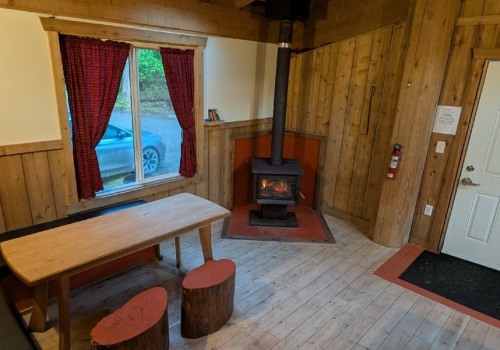
When embarking on a home renovation, one of the most impactful decisions you will make is selecting the right color scheme. Color is not merely a visual element; it plays a crucial role in shaping the atmosphere and emotional resonance of your living space. The hues you choose can evoke feelings of warmth, tranquility, or even energy, influencing how you and your guests experience each room. Understanding the importance of color in home renovation is essential for creating an environment that reflects your personal style while also enhancing functionality. Color psychology suggests that different shades can significantly affect mood and behavior.
For instance, soft blues and greens are often associated with calmness and relaxation, making them ideal for bedrooms or bathrooms. In contrast, vibrant reds and yellows can stimulate conversation and creativity, making them suitable for social spaces like kitchens and living rooms. By considering how colors interact with light and space, you can create a cohesive look that not only beautifies your home but also supports your lifestyle. Moreover, the right color scheme can increase the value of your property. Potential buyers often respond positively to well-coordinated colors that enhance the overall aesthetic appeal of a home.
Therefore, investing time in understanding color theory and its implications in home renovation can yield significant returns, both emotionally and financially. As you delve deeper into this topic, you'll discover how to harness the power of color to transform your home into a sanctuary that resonates with your unique vision.
Assessing Your Space: Factors to Consider
When embarking on a home renovation, one of the most crucial steps is assessing your space to determine the best color scheme. Several factors can significantly influence your color choices, ensuring that the final result aligns with your vision and enhances the overall aesthetic of your home.- Lighting: The type and amount of natural light in a room can drastically affect how colors appear. Rooms with ample sunlight may benefit from lighter shades, which can create an airy feel, while darker spaces might require warmer tones to add depth and warmth.
Consider testing paint samples at different times of the day to see how they change with varying light conditions.
- Room Size: The dimensions of a room play a vital role in color selection. Lighter colors can make small spaces feel larger and more open, while darker hues can create a cozy atmosphere in larger rooms. If you're working with a compact area, consider using a monochromatic palette to maintain visual continuity.
- Existing Decor: Take stock of your current furnishings and decor elements. Your color scheme should complement these items rather than clash with them.
If you have bold furniture or artwork, opt for more neutral wall colors to allow those pieces to stand out. Conversely, if your decor is subtle, you might choose bolder wall colors to create a striking contrast.
- Functionality: Consider the purpose of each room when selecting colors. For example, calming shades like soft blues or greens are ideal for bedrooms, while vibrant colors can energize spaces like kitchens or playrooms. Think about how you want each space to feel and choose colors that align with those emotions.
Remember that the right color scheme not only beautifies your space but also reflects your personal style and creates an inviting atmosphere for you and your guests.
Understanding Color Theory: The Basics
Understanding color theory is essential for anyone embarking on a home renovation. It provides the foundation for creating a cohesive and visually appealing color scheme. At its core, color theory revolves around the color wheel, which categorizes colors into primary, secondary, and tertiary groups.Primary and Secondary Colors
Primary colors—red, blue, and yellow—are the building blocks of all other colors. By mixing these primary colors, you can create secondary colors: green (blue + yellow), orange (red + yellow), and purple (red + blue).Understanding these relationships helps in selecting colors that complement each other.
Complementary Colors
Complementary colors are those that are opposite each other on the color wheel. For instance, blue pairs well with orange, while red looks striking against green. Using complementary colors in your home renovation can create a vibrant contrast that draws attention to specific areas of a room.The Importance of Neutrals
No color scheme is complete without neutrals. Shades like white, gray, and beige serve as a backdrop that allows other colors to shine.They can help balance bold hues and provide a sense of calm in your space.
Tips for Applying Color Theory in Home Renovation
- Create a Color Palette: Start by selecting one or two primary colors and build your palette around them using secondary and neutral shades.
- Consider Lighting: Natural and artificial light can significantly affect how colors appear in your home. Test paint samples in different lighting conditions.
- Aim for Balance: Use the 60-30-10 rule: 60% of your space should be a dominant color, 30% a secondary color, and 10% an accent color.
Choosing a Color Palette: Tips and Techniques
Choosing the right color palette for your home renovation can significantly impact the overall aesthetic and feel of your space. Here are some practical tips and techniques to help you select a cohesive color scheme that reflects your style and enhances your home.- Start with Inspiration: Gather inspiration from various sources such as magazines, websites, or social media platforms like Pinterest. Look for images that resonate with you and take note of the colors used.
- Consider the Mood: Different colors evoke different emotions.
For instance, blues and greens can create a calming atmosphere, while yellows and oranges can energize a space. Think about the mood you want to achieve in each room.
- Use Color Swatches: Visit your local paint store to collect color swatches. This allows you to see how colors look in natural light and how they interact with existing furnishings.
- Limit Your Palette: A cohesive color scheme typically consists of three to five colors. Choose a dominant color, a secondary color, and one or two accent colors to create balance and harmony.
- Test Before Committing: Once you've narrowed down your choices, paint small sections of your walls with the selected colors.
Observe how they look at different times of the day to ensure they meet your expectations.
- Utilize Online Tools: There are numerous online resources and apps available that can help you visualize your color palette. Tools like Adobe Color or Sherwin-Williams ColorSnap allow you to experiment with different combinations digitally.
The Role of Trends in Color Selection
When embarking on a home renovation, understanding the current color trends can significantly enhance your design choices. In 2023, we see a shift towards colors that evoke calmness and connection to nature, reflecting a broader desire for tranquility in our living spaces.Trending Colors for Home Renovation
- Earthy Tones: Shades like terracotta, olive green, and muted browns are gaining popularity.
These colors not only bring warmth but also create a grounding effect in any room.
- Soft Pastels: Light blues, blush pinks, and gentle yellows are perfect for creating airy and inviting spaces. They work well in both modern and traditional settings.
- Bold Accents: While neutral palettes dominate, bold colors like deep navy or emerald green are being used as accent walls or in furniture pieces to add character without overwhelming the space.
- Assess Your Space: Consider the amount of natural light and the size of the rooms.
Lighter colors can make small spaces feel larger, while darker shades can add depth.
- Test Samples: Before committing, paint swatches on your walls to see how they look at different times of the day. This will help you understand how lighting affects color perception.
- Mix and Match: Don’t be afraid to combine trending colors with classic hues. A modern color scheme can be achieved by pairing a trendy shade with timeless neutrals.
Testing Colors: The Importance of Samples
When embarking on a home renovation, selecting the right color scheme is crucial, and one of the most effective ways to ensure you make the right choice is by testing paint colors.Color can appear drastically different depending on various factors, particularly lighting. Therefore, it’s essential to evaluate how your chosen colors look in different conditions before committing.
Why Testing Colors Matters
- Natural Light: Colors can shift dramatically when exposed to natural light. A shade that looks warm and inviting during the day may appear cold and unwelcoming at night.
- Artificial Light: Different types of artificial lighting (like incandescent, fluorescent, or LED) can alter the perception of color. Always test your samples under the same lighting conditions that will be present in your home.
- Room Size and Orientation: The size of the room and its orientation can also affect how colors are perceived.
A small, north-facing room may benefit from lighter shades to create an illusion of space.
How to Test Colors Effectively
- Select Sample Paints: Choose a few paint colors that resonate with your vision for the space. It’s advisable to limit your options to three or four shades to avoid overwhelming yourself.
- Apply Samples: Use a small brush or roller to apply samples directly onto the wall. This allows you to see how the color interacts with your existing decor and furnishings.
- Observe at Different Times: Spend a few days observing the samples at different times of day. Take note of how they change with varying light conditions.
- Consider Surrounding Elements: Look at how the sample colors work with other elements in the room, such as furniture, flooring, and artwork.
Creating Mood with Color: Psychological Effects
When embarking on a home renovation, understanding the psychological effects of color can significantly influence the atmosphere of your living spaces.Different colors can evoke specific emotions and set the mood, making it essential to choose wisely.Warm Colors: Colors like red, orange, and yellow are often associated with warmth and energy. These hues can create a lively and inviting environment, making them ideal for social spaces such as living rooms and dining areas. However, too much of these colors can lead to feelings of agitation, so it's best to use them as accents or in moderation.Cool Colors: On the other hand, cool colors such as blue, green, and purple tend to have a calming effect. They are perfect for bedrooms and bathrooms where relaxation is key.
For instance, soft blues can promote tranquility, while greens can bring a sense of nature indoors.Neutral Colors: Shades like beige, gray, and white serve as versatile backdrops that can enhance other colors in a room. They provide a sense of balance and can make spaces feel larger and more open. Neutrals are particularly effective in kitchens and hallways where you want to maintain a clean and airy feel. When selecting your color scheme, consider how you want each room to feel. Here are some tips:
- Assess the Purpose: Think about how you use each space.
A home office may benefit from energizing colors to boost productivity, while a reading nook might be better suited for softer tones.
- Test Samples: Before committing to a color, test samples on your walls. Observe how they look at different times of day to see how lighting affects their appearance.
- Consider Flow: Ensure that the colors you choose create a cohesive flow throughout your home. Transitioning from one room to another should feel seamless.
Common Mistakes to Avoid When Choosing Colors
Choosing the right color scheme for your home renovation can be a daunting task, and many homeowners fall into common pitfalls that can lead to unsatisfactory results.Here are some frequent mistakes to avoid:
- Ignoring the Flow of Color: One of the biggest mistakes is not considering how colors will flow from one room to another. A disjointed color scheme can create a chaotic feel. Aim for a cohesive palette that connects spaces.
- Choosing Colors in Isolation: Selecting colors without testing them in the actual space can lead to disappointment. Always sample paint colors on your walls and observe them at different times of the day to see how they change with natural light.
- Overcomplicating the Palette: While it might be tempting to use multiple colors, too many can overwhelm a space.
Stick to a limited palette of 2-4 colors that complement each other for a more harmonious look.
- Neglecting the Room's Purpose: The function of a room should influence your color choices. For example, calming colors work well in bedrooms, while vibrant hues may be better suited for playrooms or creative spaces.
- Following Trends Blindly: Trends come and go, and what’s popular today may not suit your personal style or home’s architecture. Choose colors that resonate with you rather than simply following the latest fads.
FAQs About Choosing Color Schemes for Home Renovation
When it comes to home renovation, selecting the right color scheme can be a daunting task.Here are some frequently asked questions that can help guide your decision-making process:
- What factors should I consider when choosing a color scheme?
Consider the size of the space, the amount of natural light it receives, and the existing furnishings. Lighter colors can make a small room feel larger, while darker shades can create a cozy atmosphere. - How do I choose colors that complement each other?
Utilize the color wheel to find complementary colors. Colors that are opposite each other on the wheel, such as blue and orange, can create a vibrant contrast. Alternatively, analogous colors, which are next to each other on the wheel, like blue and green, offer a more harmonious look. - Should I stick to neutral colors or go bold?
Neutral colors provide a timeless backdrop and allow for flexibility in decor changes.However, incorporating bold colors as accents can add personality and depth to your home renovation. Consider using bold colors in smaller areas or as accent walls.
- How can I test colors before committing?
Always test paint samples on your walls before making a final decision. Observe how the color looks at different times of the day and under various lighting conditions to ensure it meets your expectations. - What are some popular color trends for home renovations?
Currently, earthy tones like terracotta and sage green are trending, as they bring a sense of nature indoors. Additionally, soft pastels and muted jewel tones are gaining popularity for their calming effects.
Conclusion: Final Thoughts on Your Color Journey
As you embark on your home renovation journey, the significance of selecting the right color scheme cannot be overstated.The colors you choose will not only define the aesthetic appeal of your space but also influence the mood and functionality of each room.Throughout this article, we have explored various strategies to help you make informed decisions about your color palette. Here are some key takeaways:
- Understand Your Space: Consider the size, lighting, and purpose of each room. Lighter colors can make a small space feel larger, while darker shades can create a cozy atmosphere.
- Establish a Color Flow: Ensure that the colors in adjacent rooms complement each other to create a cohesive look throughout your home.
- Test Before You Commit: Always sample paint colors in your space before making a final decision. Lighting can drastically change how a color appears.
- Consider Trends vs.
Timelessness:
While it’s tempting to follow current trends, opt for colors that resonate with your personal style and will stand the test of time. - Embrace Accent Colors: Use bold or vibrant colors as accents to add personality without overwhelming the overall design.