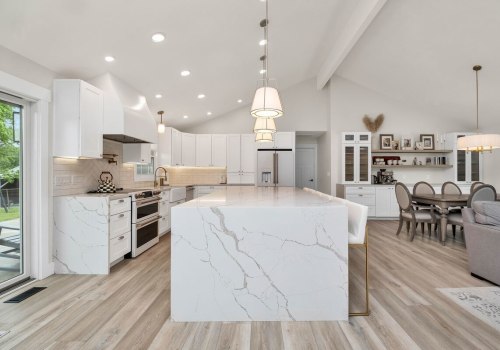
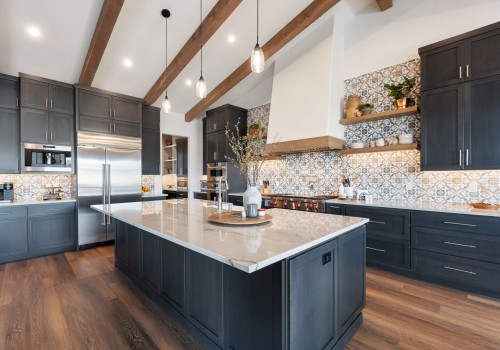
The best time to think about foundation repair during a home renovation is before major construction or finishing work begins. Renovations often involve new flooring, cabinetry, drywall, tile, countertops, doors, windows, and other materials that can be affected by structural movement. If the foundation is settling unevenly or shifting, completing cosmetic improvements first may lead to cracks, gaps, or alignment problems later. Evaluating the structure early gives homeowners a better understanding of whether foundation work should be included in the renovation schedule.
Look for Warning Signs Before Demolition
Before contractors start removing walls, flooring, or fixtures, homeowners should watch for signs that may indicate foundation movement. These can include cracks in drywall or masonry, sloping floors, sticking doors, separated trim, gaps around windows, or cabinets pulling away from walls. These symptoms do not always mean that serious foundation damage is present, but they can justify further evaluation. Consulting professionals such as Bats Foundation Repair Austin before renovation work advances can help determine whether structural stabilization should happen first.
Complete Foundation Repair Before New Finishes
If foundation repair is necessary, it is generally best to complete it before installing expensive finishes. New tile, hardwood, stone countertops, cabinetry, and freshly repaired drywall can all be affected if the home continues to move. Foundation stabilization may also create minor changes in wall or floor alignment as the structure responds to the repair. By handling foundation work before final finishes are installed, homeowners can reduce the risk of having to redo recently completed renovation work.
Coordinate Repair With Demolition
In some cases, the period immediately after demolition can be an ideal time for foundation work. Removing old flooring, cabinets, or wall coverings may expose cracks, uneven areas, or structural conditions that were previously hidden. Contractors may also have easier access to certain areas before new materials are installed. Coordinating the renovation contractor with foundation professionals can help determine the most practical sequence for structural repairs, framing corrections, and rebuilding.
Consider Plumbing and Utility Work
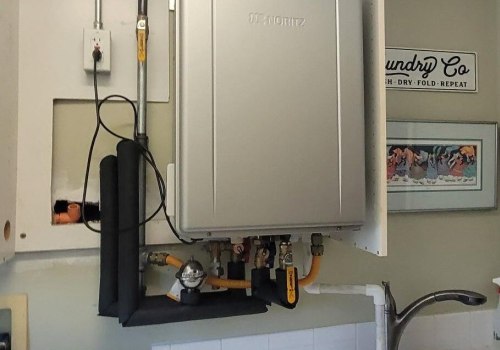
Major renovations often involve changes to plumbing, electrical systems, or HVAC equipment. Foundation repairs should be coordinated with these improvements because structural movement can sometimes affect pipes, wiring pathways, and other building systems. Plumbing leaks may also contribute to soil moisture problems around or beneath the foundation. Addressing these issues before walls and floors are closed can help prevent the need to reopen finished areas later.
Recheck the Structure After Foundation Work
Once foundation repairs are complete, the home should be evaluated again before final renovation work begins. Doors and windows may need adjustment, cracks may require patching, and flooring surfaces may need leveling or preparation. Contractors can use this stage to determine what secondary repairs are necessary before moving into painting, flooring installation, cabinetry, or other finishing work. This helps ensure that cosmetic repairs reflect the home’s stabilized condition.
Address Drainage and Moisture Problems
Foundation repair may be more successful when surrounding moisture problems are also addressed. Poor grading, clogged gutters, plumbing leaks, or inadequate drainage can contribute to changing soil conditions. Renovation planning should therefore include any needed drainage improvements or moisture-control measures so the same conditions do not continue affecting the foundation.
Build the Renovation on a More Stable Base
Scheduling foundation repair at the right point in a renovation can help prevent unnecessary rework and protect new materials. In most cases, structural stabilization should come before major reconstruction and final finishes. By identifying foundation concerns early, coordinating contractors, and allowing time for post-repair adjustments, homeowners can create a more organized renovation process and give new improvements a stronger, more dependable structural base.