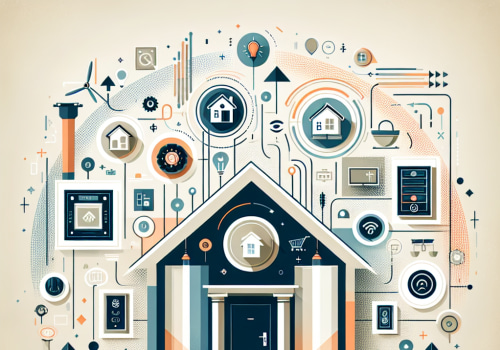
In today's fast-paced world, smart technology has become an integral part of our daily lives, transforming the way we interact with our homes. As homeowners embark on home renovation projects, the integration of smart technology not only enhances convenience but also significantly improves energy efficiency and security. Imagine controlling your lighting, heating, and even security systems from your smartphone or through voice commands. This level of control is no longer a futuristic dream; it is a reality that can be seamlessly incorporated into your renovation plans. The benefits of integrating smart technology into your home renovation are manifold.
First and foremost, it allows for a more personalized living experience. Homeowners can tailor their environments to suit their lifestyles, whether that means adjusting the thermostat before arriving home or setting the mood with automated lighting. Additionally, smart devices often come equipped with energy-saving features that can lead to substantial cost savings over time. For instance, smart thermostats learn your habits and adjust heating and cooling accordingly, which can reduce energy bills significantly. Moreover, incorporating smart technology into your renovation can enhance the overall value of your property.
As more buyers seek homes equipped with modern conveniences, having a smart home can set your property apart in a competitive market. From smart locks that provide keyless entry to advanced security cameras that offer peace of mind, these features not only improve daily living but also serve as attractive selling points in the future.
Benefits of Incorporating Smart Technology in Home Renovation
Incorporating smart technology into your home renovation project offers a multitude of benefits that can enhance your living experience. From energy efficiency to improved security, these advancements can transform your home into a more comfortable and secure environment.Energy Efficiency
One of the most significant advantages of smart home technology is its ability to improve energy efficiency. Smart thermostats, for instance, learn your heating and cooling preferences and adjust accordingly, which can lead to substantial savings on energy bills.Additionally, smart lighting systems allow you to control lights remotely or set schedules, ensuring that lights are only on when needed.
Convenience
Smart technology also enhances convenience. Imagine being able to control your home’s systems from your smartphone or through voice commands. Smart speakers and hubs can integrate various devices, allowing you to manage everything from your security system to your coffee maker with ease. This level of control not only saves time but also adds a layer of comfort to your daily routine.Enhanced Security
Security is another critical aspect where smart technology shines.Smart locks, cameras, and alarm systems provide real-time monitoring and alerts, giving homeowners peace of mind. You can receive notifications on your phone if someone enters your home or if unusual activity is detected. This proactive approach to security ensures that you are always aware of what’s happening in and around your home. In summary, integrating smart technology into your home renovation project not only modernizes your space but also offers practical benefits such as enhanced energy efficiency, increased convenience, and improved security. These advantages make it a worthwhile investment for any homeowner looking to upgrade their living environment.
Key Smart Technologies to Consider for Your Renovation
Incorporating smart technology into your home renovation can significantly enhance the functionality, efficiency, and security of your living space.Here are some key smart technologies to consider:
- Smart Home Devices: These devices serve as the backbone of a smart home ecosystem. From voice-activated assistants like Amazon Alexa and Google Assistant to smart plugs and hubs, they allow you to control various aspects of your home with ease. Integrating these devices during your renovation can streamline operations and improve user experience.
- Smart Lighting: Upgrading to smart lighting systems can transform the ambiance of your home. With options like Philips Hue or LIFX, you can adjust brightness, color, and even set schedules for when lights turn on or off.
This not only enhances aesthetics but also contributes to energy savings by allowing you to control lighting remotely.
- Smart Thermostats: A smart thermostat, such as the Nest Learning Thermostat or Ecobee, learns your heating and cooling preferences over time. By optimizing energy usage based on your habits, these devices can lead to significant savings on utility bills while maintaining a comfortable environment.
- Smart Security Systems: Enhancing your home’s security is crucial during a renovation. Smart security systems, including video doorbells like Ring and comprehensive alarm systems from companies like ADT or SimpliSafe, provide real-time monitoring and alerts. These systems can be integrated seamlessly into your renovation plans, ensuring safety from the ground up.
Planning Your Home Renovation with Smart Technology in Mind
When embarking on a home renovation project, it’s essential to consider how smart technology can enhance your living space.Proper planning is key to seamlessly integrating these technologies into your renovation. Here are some steps to guide you through the process:
- Assess Your Needs: Begin by evaluating which areas of your home could benefit from smart technology. Consider aspects like security, energy efficiency, and convenience. For instance, smart thermostats can help manage heating and cooling, while smart lighting can enhance ambiance and save energy.
- Set a Budget: Determine how much you are willing to invest in smart technology.
This will help you prioritize features and avoid overspending. Remember that while some devices may have a higher upfront cost, they can lead to long-term savings.
- Research Smart Options: Familiarize yourself with the various smart devices available on the market. Look for products that are compatible with each other and can be controlled through a single app or platform. Popular options include smart locks, cameras, and home assistants.
- Create a Renovation Checklist: Develop a detailed checklist that includes all the smart technology you plan to incorporate.
This should cover installation requirements, necessary wiring, and any additional infrastructure needed to support these devices.
- Consult Professionals: If you’re unsure about the technical aspects of integrating smart technology, consider hiring professionals. An experienced contractor or an electrician can provide valuable insights and ensure that installations meet safety standards.
Budgeting for Smart Technology in Your Renovation Project
When planning a home renovation that incorporates smart technology, establishing a clear budget is essential. Smart devices can enhance your home’s efficiency and convenience, but their costs can vary significantly based on the type and complexity of the technology you choose.Understanding Costs
- Smart Thermostats: These typically range from $100 to $300, depending on features like learning capabilities and remote access.
- Smart Lighting: Expect to spend between $15 to $50 per bulb, with additional costs for smart switches or hubs.
- Home Security Systems: A comprehensive system can cost anywhere from $200 to over $1,000, depending on the number of cameras and sensors.
- Smart Appliances: These can be a significant investment, often ranging from $500 to several thousand dollars for high-end models.
Budgeting Tips
- Prioritize Your Needs: Determine which smart technologies will provide the most value for your lifestyle. Focus on essentials first, such as security and energy efficiency.
- Research and Compare: Prices can vary widely between brands and retailers.
Take the time to compare options and read reviews to ensure you’re making informed decisions.
- Consider Long-Term Savings: While initial costs may seem high, many smart technologies can lead to savings on energy bills and maintenance costs over time. Factor these potential savings into your budget.
- Plan for Installation Costs: Some smart devices are easy to install yourself, while others may require professional installation. Be sure to include these costs in your overall budget.
Common Challenges When Incorporating Smart Technology
Incorporating smart technology into your home renovation can significantly enhance your living experience, but it also comes with its own set of challenges. Understanding these potential hurdles can help you navigate the integration process more smoothly.Installation Issues
One of the most common challenges is the installation of smart devices.Many homeowners underestimate the complexity involved in setting up smart systems, especially when it comes to wiring and connectivity. For instance, devices like smart thermostats or lighting systems often require specific wiring configurations that may not align with existing setups.
- Solution: Consult with a professional installer who specializes in smart home technology. They can assess your current infrastructure and recommend necessary upgrades or modifications.
Troubleshooting Smart Devices
Another challenge is troubleshooting when devices do not function as expected. Connectivity issues, software glitches, or compatibility problems can arise, leading to frustration.- Solution: Ensure that all devices are compatible with each other and your home’s Wi-Fi network.
Regularly update device firmware and software to minimize glitches. Additionally, consider investing in a reliable smart home hub that can streamline communication between devices.
Understanding Technology Limitations
Homeowners may also face difficulties in understanding the limitations of smart technology. Not all devices will work seamlessly together, and some may require specific conditions to operate effectively.- Solution: Research each device thoroughly before purchase. Read reviews and check compatibility lists to ensure that your chosen products will meet your needs without causing integration headaches.
Future Trends in Smart Home Technology for Renovations
As the world of smart home technology continues to evolve, homeowners embarking on renovation projects can look forward to a range of exciting trends that promise to enhance both functionality and comfort.Here are some of the most significant future trends in smart home technology that are set to influence renovations:
- Integration of AI and Machine Learning: Future smart homes will increasingly utilize artificial intelligence (AI) and machine learning to create personalized living experiences. These technologies can learn from user behavior, adjusting lighting, temperature, and even security settings automatically based on preferences.
- Enhanced Home Automation: The trend towards comprehensive home automation systems is gaining momentum. Homeowners can expect seamless integration of various devices, allowing for centralized control through smartphones or voice-activated assistants. This includes everything from smart thermostats to automated window treatments.
- Sustainable Smart Technology: As sustainability becomes a priority, smart home technologies that promote energy efficiency will be at the forefront.
Innovations such as smart energy management systems can monitor and optimize energy usage, helping homeowners reduce their carbon footprint while saving on utility bills.
- Smart Security Solutions: The future of home security is becoming increasingly sophisticated. Expect advancements in smart locks, surveillance cameras with facial recognition, and integrated alarm systems that can be monitored remotely, providing peace of mind for homeowners.
- Health Monitoring Systems: Emerging technologies are also focusing on health and wellness within the home. Smart sensors can monitor air quality, humidity levels, and even detect potential hazards like carbon monoxide or water leaks, ensuring a safer living environment.
FAQs About Smart Technology in Home Renovation
Integrating smart technology into your home renovation can be a game-changer, but it often raises several questions.Here are some frequently asked questions to help clarify common concerns:
- What is smart technology?
Smart technology refers to devices and systems that connect to the internet and can be controlled remotely, often through a smartphone or voice commands. Examples include smart thermostats, lighting systems, and security cameras. - How can I start incorporating smart technology into my renovation?
Begin by identifying areas in your home where technology can enhance convenience and efficiency. Consider integrating smart lighting, heating, and security systems during the renovation process. - Is smart technology expensive?
While some smart devices can be pricey, there are budget-friendly options available. Investing in smart technology can lead to long-term savings on energy bills and increased home value. - Can I install smart devices myself?
Many smart devices are designed for easy installation and come with user-friendly instructions.However, for more complex systems, such as integrated home automation, hiring a professional may be advisable.
- Will smart technology work with my existing home systems?
Most modern smart devices are designed to be compatible with existing home systems. However, it’s essential to check compatibility before purchasing to ensure seamless integration.
Conclusion: Embracing Smart Technology in Your Home Renovation Journey
Incorporating smart technology into your home renovation project is not just a trend; it’s a transformative approach that enhances both functionality and comfort. As we’ve explored throughout this article, the integration of smart devices can significantly improve your living space, making it more efficient and tailored to your lifestyle. To summarize, here are the key benefits of embracing smart technology in your renovation:- Energy Efficiency: Smart thermostats and lighting systems can help reduce energy consumption, leading to lower utility bills.
- Enhanced Security: Smart locks, cameras, and alarm systems provide peace of mind by allowing you to monitor your home remotely.
- Convenience: Voice-activated assistants and automated systems streamline daily tasks, making your home more user-friendly.
- Increased Home Value: Homes equipped with smart technology often attract higher resale values, appealing to tech-savvy buyers.
By incorporating smart technology, you not only enhance your living experience but also future-proof your home against evolving trends. Embrace the possibilities that smart technology offers and transform your renovation into a forward-thinking project that stands the test of time.