In recent years, home renovation has evolved into a dynamic field, reflecting not only personal tastes but also broader societal trends. As homeowners seek to create spaces that are both functional and aesthetically pleasing, understanding the latest home renovation trends becomes essential. From sustainable materials to smart home technology, the design elements that are gaining popularity are reshaping how we think about our living environments. One of the most significant shifts in popular home renovations is the emphasis on open-concept layouts. This design trend promotes a seamless flow between living spaces, making homes feel more spacious and inviting.
Coupled with this is the growing interest in multifunctional spaces that cater to the diverse needs of modern families. As remote work becomes more prevalent, homeowners are increasingly looking for ways to integrate workspaces into their homes without sacrificing style. Additionally, the focus on sustainability is driving many renovation choices today. Homeowners are opting for eco-friendly materials and energy-efficient appliances, not only to reduce their carbon footprint but also to enhance the long-term value of their properties. As we delve deeper into the current design trends in home renovations, it becomes clear that these choices reflect a desire for comfort, efficiency, and a connection to the environment.
Sustainable and Eco-Friendly Designs
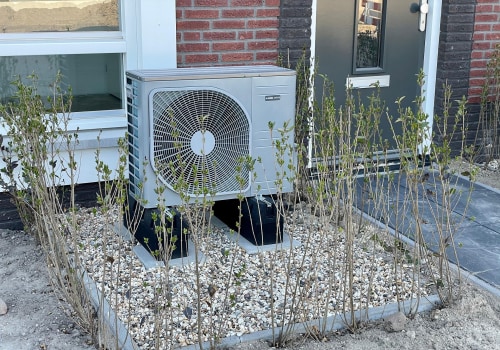
As homeowners become increasingly aware of their environmental impact, sustainable home renovations are gaining traction.This trend emphasizes the use of eco-friendly design principles and materials that not only enhance the aesthetic appeal of a home but also contribute to a healthier planet.One of the most significant shifts in home renovation is the adoption of green building materials. These materials are sourced sustainably and often have a lower carbon footprint compared to traditional options. For instance, reclaimed wood is becoming a popular choice for flooring and cabinetry, offering a rustic charm while reducing waste. Similarly, bamboo is favored for its rapid growth and renewability, making it an excellent alternative for flooring and furniture.In addition to materials, energy efficiency is a key component of sustainable renovations.
Homeowners are increasingly opting for energy-efficient appliances, which not only reduce energy consumption but also lower utility bills. Installing solar panels has also become more common, allowing homeowners to harness renewable energy and decrease their reliance on fossil fuels.
- Water conservation: Incorporating low-flow fixtures and rainwater harvesting systems can significantly reduce water usage.
- Natural lighting: Maximizing natural light through larger windows or skylights can reduce the need for artificial lighting, enhancing both energy efficiency and indoor comfort.
- Indoor air quality: Using non-toxic paints and finishes helps improve indoor air quality, making homes healthier for occupants.
Open Concept Living Spaces
One of the most significant trends in home renovation today is the shift towards open concept living spaces. This design approach eliminates unnecessary walls and barriers, creating a seamless flow between different areas of the home.The result is a more spacious and inviting environment that enhances both functionality and aesthetics.
Benefits of Open Spaces
- Enhanced Natural Light: Open layouts allow for better light distribution throughout the home, making spaces feel brighter and more welcoming.
- Improved Social Interaction: With fewer walls, family members and guests can easily communicate and interact, fostering a sense of togetherness.
- Versatile Use of Space: Open concept designs offer flexibility in how spaces are utilized, allowing homeowners to adapt areas for various activities, from entertaining to relaxing.
- Modern Aesthetic: The clean lines and uncluttered look of open spaces align with contemporary design trends, appealing to those seeking a modern home layout.
As this trend continues to gain popularity, it’s clear that open layouts are here to stay.
Smart Home Technology Integration
As homeowners increasingly seek to enhance their living spaces, smart home technology integration has emerged as a leading trend in home renovations. This shift towards technology-driven solutions not only improves convenience but also elevates the overall functionality of a home.One of the most popular aspects of smart home renovations is the incorporation of home automation systems. These systems allow homeowners to control various aspects of their homes remotely, from lighting and heating to security and entertainment. For instance, smart thermostats can learn your schedule and adjust temperatures accordingly, leading to energy savings and increased comfort.- Smart Lighting: Automated lighting systems enable users to set schedules or control lights via smartphone apps.
This not only enhances security but also allows for mood setting in different areas of the home.
- Home Security: Smart security cameras and doorbell systems provide real-time monitoring and alerts, ensuring peace of mind for homeowners. Many systems can be integrated with mobile devices for easy access.
- Voice Assistants: Devices like Amazon Echo or Google Home serve as central hubs for controlling other smart devices, making it easier to manage your home environment with simple voice commands.
Homes equipped with advanced technology features are often more appealing to potential buyers, making them a wise investment during renovations.In conclusion, as the demand for technology in home design continues to grow, incorporating smart home features into renovations is becoming essential. By embracing these trends, homeowners can create spaces that are not only modern and stylish but also highly functional and efficient.
Bold Colors and Unique Textures
In the realm of home renovation, the use of bold colors and unique textures is making a significant impact, allowing homeowners to express their individuality and create striking visual statements. This trend is not just about slapping a coat of paint on the walls; it’s about curating an experience that resonates with personal style.Bold Color Trends
Gone are the days of muted palettes dominating the design landscape. Today, vibrant hues such as deep blues, rich greens, and fiery reds are being embraced in various spaces.These colors can serve as focal points or accent features, drawing attention and creating a sense of drama. For instance:
- Accent Walls: A single wall painted in a bold color can transform an entire room, providing depth and interest.
- Color Blocking: Combining two or more contrasting colors in a single space can create a modern and dynamic look.
- Statement Furniture: Incorporating furniture pieces in bold colors can add personality without overwhelming the space.
Texture in Home Design
Alongside color, texture plays a crucial role in enhancing the aesthetic appeal of a home. The interplay between different materials can add layers of interest and warmth. Popular textures include:- Natural Materials: Wood, stone, and metal elements bring an organic feel to interiors, making them feel more inviting.
- Textured Fabrics: Velvet, linen, and woven textiles can soften spaces while adding visual intrigue.
- Mixed Finishes: Combining matte and glossy surfaces creates contrast that elevates the overall design.
Homeowners looking to renovate should consider these elements to create environments that are both stylish and functional.
Multi-Functional Spaces
In today's fast-paced world, the demand for multi-functional spaces in home renovations has surged. Homeowners are increasingly looking for ways to maximize utility without sacrificing style. This trend is particularly relevant for those living in smaller homes or apartments, where every square foot counts.One effective strategy for creating versatile home designs is to incorporate furniture that serves multiple purposes. For instance, a sofa bed can transform a living room into a guest room, while an extendable dining table can accommodate both intimate dinners and larger gatherings.Additionally, built-in storage solutions, such as benches with hidden compartments or wall-mounted shelves, can help keep spaces organized and clutter-free.Another popular approach is the use of open floor plans that allow for seamless transitions between different areas of the home. By removing unnecessary walls, homeowners can create a fluid space that encourages interaction and flexibility. This design choice not only enhances the aesthetic appeal but also makes it easier to adapt the space for various activities.
- Home Office Nooks: With remote work becoming more common, integrating a small office area into a living room or bedroom can provide a dedicated workspace without requiring a separate room.
- Convertible Rooms: Consider designing a guest room that doubles as a workout space or hobby area. Using foldable furniture or sliding partitions can help achieve this.
- Outdoor Extensions: Expanding living areas outdoors with patios or decks can create additional functional space for entertaining or relaxing.
By embracing the concept of multi-functional spaces, homeowners can enjoy a more practical and enjoyable living environment that meets their diverse needs.
Outdoor Living Areas
As homeowners increasingly seek to enhance their living spaces, outdoor living areas have emerged as a significant trend in home renovation. These spaces not only extend the usable area of a home but also promote a lifestyle that embraces nature and outdoor activities. Renovating your backyard or patio can transform it into a functional and inviting space for relaxation and entertainment.One of the most popular outdoor renovation trends is the incorporation of multi-functional spaces. Homeowners are opting for designs that allow for various activities, such as dining, lounging, and cooking.This trend often includes:
- Outdoor kitchens: Equipped with grills, sinks, and refrigerators, these kitchens make it easy to host gatherings.
- Fire pits: A cozy fire pit can serve as a focal point for socializing during cooler evenings.
- Seating areas: Comfortable seating arrangements with weather-resistant furniture encourage relaxation and social interaction.
- Native plants: These require less maintenance and water, making them an eco-friendly choice.
- Water features: Ponds or fountains add tranquility and attract wildlife.
- Pathways: Stone or gravel paths can guide guests through the garden while enhancing aesthetic appeal.
By creating versatile, beautiful, and functional areas outside your home, you can enjoy the benefits of nature while increasing your property’s value.
FAQs About Home Renovation Trends
When considering home renovation trends, many homeowners have questions about what to expect and how to navigate the process. Here are some frequently asked questions that can help clarify common concerns:What are the most popular design trends in home renovations right now?
Currently, some of the most sought-after design trends include:- Open floor plans that enhance space and light.
- Sustainable materials that promote eco-friendliness.
- Smart home technology integration for convenience and efficiency.
- Bold colors and patterns that add personality to spaces.
- Multi-functional spaces that cater to various needs, especially in smaller homes.
How can I stay on budget during my home renovation?
Staying on budget is crucial for any home renovation. Here are some tips:- Create a detailed plan: Outline your project scope and prioritize essential renovations.
- Get multiple quotes: Compare estimates from different contractors to find the best deal.
- Consider DIY options: For smaller tasks, doing it yourself can save money.
- Be flexible with materials: Opt for alternatives that provide similar aesthetics at a lower cost.
What should I consider before starting a renovation?
Before diving into a home renovation, consider the following:- Your lifestyle needs: Think about how the changes will impact your daily life.
- The resale value: Ensure that your renovations will appeal to future buyers.
- The timeline: Understand how long the project will take and plan accordingly.
- The permits required: Check local regulations to avoid legal issues during construction.
Conclusion: Embracing Modern Design Trends in Home Renovation
In conclusion, staying attuned to the latest home renovation design trends is essential for homeowners looking to enhance their living spaces. As we have explored, modern renovations are not just about aesthetics; they also focus on functionality, sustainability, and personalization. Key trends such as open floor plans, eco-friendly materials, and smart home technology are reshaping how we think about our homes.These elements not only improve the overall look and feel of a space but also contribute to a more efficient and comfortable living environment. Moreover, incorporating biophilic design principles—such as natural light and indoor plants—can significantly enhance well-being and create a serene atmosphere. As homeowners increasingly prioritize wellness, these trends are likely to gain even more traction. As you consider your own home renovation projects, remember that embracing these modern design trends can lead to a more enjoyable and valuable home. Whether you’re updating a single room or undertaking a full-scale renovation, integrating these ideas can help you create a space that reflects your personal style while meeting contemporary demands. Ultimately, the key takeaway is to remain flexible and open-minded. The world of home renovation is ever-evolving, and by keeping an eye on emerging trends, you can ensure that your home remains not only stylish but also functional for years to come. Engaging with professionals in the field can provide further insights into how these trends can be tailored to fit your unique needs.
So take the plunge into your next renovation project with confidence, knowing that you are equipped with the knowledge of what’s current and what works best for modern living.