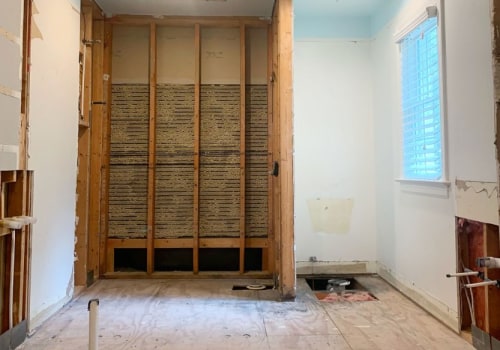
When embarking on a home renovation, understanding the psychology of space is crucial, especially in small areas. Our perception of space is not solely determined by physical dimensions; it is also influenced by light, color, and layout. This means that even the tiniest of rooms can feel expansive with the right design choices. By grasping how our minds interpret space, you can implement strategies that enhance the feeling of openness and airiness in your home. One key aspect of small space design is the use of visual tricks that manipulate our perception.
For instance, lighter colors tend to reflect more light, making a room feel larger and more inviting. Similarly, strategic placement of mirrors can create an illusion of depth, effectively doubling the perceived size of a room. These elements not only contribute to a more spacious atmosphere but also elevate the overall aesthetic of your home. As you consider your renovation plans, keep in mind that every choice—from furniture selection to wall treatments—can impact how spacious your home feels. By prioritizing designs that promote openness and flow, you can transform even the most compact areas into functional and enjoyable spaces.
This section will explore practical tips and techniques to help you achieve that sense of spaciousness, ensuring your home renovation is both beautiful and psychologically uplifting.
Color Choices That Expand Perception
When it comes to home renovation, the choice of color can significantly influence how spacious a room feels. Light colors are particularly effective in creating an illusion of space, making them ideal for small areas.Color Schemes for Small Spaces
- Soft Whites: A classic choice, soft whites reflect light and can make a room feel airy and open.
- Pale Blues and Greens: These colors evoke a sense of calm and tranquility while also expanding the visual boundaries of a room.
- Pastel Shades: Light pastels can add a touch of personality without overwhelming the senses, keeping the space feeling light and open.
Paint Colors to Make Rooms Feel Larger
- Ceiling Color: Painting the ceiling a lighter shade than the walls can draw the eye upward, enhancing the perception of height.
- Accent Walls: If you prefer bolder colors, consider an accent wall in a deeper hue.
This can add interest without closing off the space.
Home Renovation Color Tips
- Use Glossy Finishes: Glossy paint reflects more light than matte finishes, contributing to an open feel.
- Incorporate Mirrors: While not a color, strategically placing mirrors painted in light colors can amplify natural light and create depth.
Utilizing Mirrors and Reflective Surfaces
When it comes to home renovation, one of the most effective strategies for making a small space feel larger is through the use of mirrors and reflective surfaces. These elements can create an illusion of depth and enhance the overall brightness of a room, making it feel more open and inviting.Strategic Placement of Mirrors
- Opposite Windows: Positioning mirrors directly across from windows can maximize natural light. This not only brightens the space but also reflects the outdoor view, creating a seamless connection between indoors and outdoors.
- Focal Points: Use large mirrors as focal points in small rooms.
A well-placed mirror can draw the eye, making the space appear larger than it is. Consider using a decorative mirror that complements your home renovation style.
- Mirrored Furniture: Incorporating furniture with mirrored surfaces, such as coffee tables or dressers, can add a touch of elegance while reflecting light and creating a sense of openness.
Reflective Surfaces Beyond Mirrors
- Glossy Finishes: Opt for paint with a glossy finish on walls or ceilings. This can help bounce light around the room, enhancing brightness and depth.
- Glass Elements: Use glass shelves or partitions to maintain an open feel. These materials allow light to pass through, preventing visual barriers that can make a space feel cramped.
- Light-Colored Textiles: Incorporate light-colored fabrics for curtains, rugs, and upholstery.
Reflective materials like silk or satin can also contribute to a brighter atmosphere.
Smart Furniture Choices for Small Spaces
When it comes to home renovation, making smart furniture choices is crucial for maximizing the functionality and aesthetic of small spaces. Selecting the right pieces can transform a cramped area into a more open and inviting environment.Space-saving furniture
is essential in any small home. Look for items that can be easily tucked away or serve multiple purposes.For instance, a folding dining table can be expanded when needed and collapsed to save space when not in use. Similarly, consider a murphy bed that folds up into the wall, freeing up floor space during the day.Another effective strategy is to invest in multifunctional furniture. This type of furniture not only saves space but also enhances the utility of your home. For example:
- Sofa beds: Perfect for accommodating guests without requiring a dedicated guest room.
- Storage ottomans: These can serve as seating, footrests, or even coffee tables while providing hidden storage for blankets or magazines.
- Bookshelves with desks: Combining a workspace with storage allows you to utilize vertical space effectively.
Opt for pieces that are appropriately sized for your space; oversized furniture can overwhelm a small room. Light-colored fabrics and finishes can also create an illusion of more space, making the area feel airier and less cluttered.Lastly, don’t forget about home renovation furniture tips. Always measure your space before purchasing new items to ensure they fit well without obstructing pathways. Additionally, consider modular furniture that can be rearranged as needed, allowing you to adapt your layout over time.By making thoughtful choices in your furniture selection, you can significantly enhance the functionality and feel of your small home during a renovation.
Lighting Techniques to Brighten Up Small Areas
When it comes to home renovation, effective lighting can transform a small space, making it feel more open and inviting.By strategically using both natural and artificial light, you can enhance the perception of space in any room.
Utilizing Natural Light
One of the best ways to brighten up small rooms is by maximizing natural light. Here are some tips:- Window Treatments: Opt for sheer curtains or blinds that can be easily pulled back to allow sunlight to flood in. Avoid heavy drapes that block light.
- Mirrors: Place mirrors opposite windows to reflect light throughout the room, creating an illusion of depth.
- Light Colors: Use light-colored paint on walls and ceilings to reflect more natural light, enhancing the overall brightness of the space.
Choosing the Right Artificial Lighting
In addition to natural light, incorporating the right artificial lighting can significantly impact how spacious a room feels. Consider these options:- Layered Lighting: Combine ambient, task, and accent lighting to create a well-lit environment.
This approach adds dimension and warmth.
- Recessed Lighting: Install recessed lights in ceilings to provide unobtrusive illumination that doesn’t take up visual space.
- Wall Sconces: Use wall-mounted fixtures to free up floor space while adding stylish lighting options that draw the eye upward.
Vertical Space Utilization: Going Upwards
When it comes to home renovation, one of the most effective strategies for making a small space feel larger is to utilize vertical space. By drawing the eye upwards, you can create an illusion of height and openness that transforms cramped areas into inviting environments.Maximizing Height in Small Rooms
- Install Tall Shelving Units: Opt for tall bookshelves or storage units that reach towards the ceiling. This not only provides ample storage but also emphasizes verticality, making the room feel more spacious.
- Use Vertical Wall Art: Hang artwork or mirrors higher on the walls.
This technique not only adds visual interest but also tricks the eye into perceiving greater height.
- Choose High Furniture: Select furniture pieces that are taller rather than wider. For example, a tall dresser or a slim cabinet can provide storage without overwhelming the floor space.
Vertical Storage Solutions
- Wall-Mounted Shelves: Floating shelves are a fantastic way to display decor while keeping the floor clear. They can be arranged in various patterns to create a dynamic look.
- Over-the-Door Organizers: Utilize the back of doors for additional storage. Over-the-door racks can hold everything from shoes to cleaning supplies, freeing up valuable floor space.
- Vertical Gardens: If you love plants, consider vertical planters.
They not only add greenery but also draw attention upwards, enhancing the sense of space.
Decluttering: The First Step to a Spacious Feel
When embarking on a home renovation, one of the most effective ways to create a sense of spaciousness is through decluttering. A cluttered space can feel cramped and overwhelming, making it essential to start with a clean slate. Here are some practical decluttering tips for small spaces that can transform your home:- Assess Your Belongings: Begin by evaluating each item in your home.
Ask yourself if it serves a purpose or brings you joy. If not, consider donating or discarding it.
- Utilize Vertical Space: In small homes, every inch counts. Use shelves and wall-mounted storage to keep items off the floor and create an illusion of height.
- Implement the One-In, One-Out Rule: For every new item you bring into your home, remove one. This practice helps maintain a manageable amount of belongings.
- Organize by Category: Group similar items together.
This not only makes finding things easier but also reduces visual clutter.
- Invest in Multi-Functional Furniture: Choose furniture that serves multiple purposes, such as ottomans with storage or beds with drawers underneath. This minimizes the need for additional pieces.
By following these tips and embracing a minimalist mindset during your home renovation, you can significantly improve the feel of your small space, making it more functional and enjoyable.
Incorporating Natural Elements for a Breath of Fresh Air
Incorporating natural elements into your home renovation can significantly enhance the feeling of space and tranquility, especially in smaller areas. By integrating plants and natural materials, you can create an inviting atmosphere that promotes well-being and a sense of openness.Embracing Biophilic Design
Biophilic design principles focus on the connection between nature and the built environment. This approach encourages the use of natural light, ventilation, and organic materials to create a harmonious living space. For instance, large windows or skylights can flood a small room with natural light, making it feel more expansive.Choosing the Right Plants
When selecting plants for small spaces, consider options that thrive in limited light and require minimal maintenance.Succulents, snake plants, and pothos are excellent choices that not only purify the air but also add a touch of greenery without overwhelming the space. Hanging planters or wall-mounted shelves can further maximize floor space while bringing nature indoors.
Natural Materials for a Calming Effect
In addition to plants, using natural materials such as wood, stone, and bamboo can enhance the aesthetic appeal of your home renovation. These materials evoke a sense of warmth and comfort, making small areas feel more inviting. For example, wooden furniture or stone accents can create visual interest while maintaining an airy feel.Creating Cohesion with Color
To further amplify the effect of natural elements, opt for a color palette inspired by nature.Soft greens, earthy browns, and muted blues can create a cohesive look that enhances the feeling of spaciousness. By keeping your color scheme light and neutral, you allow natural elements to stand out without overwhelming the senses.Incorporating these strategies during your home renovation not only makes small spaces feel larger but also fosters a serene environment that promotes relaxation and well-being.
(FAQs) Common Questions About Making Small Spaces Feel Larger
When it comes to home renovation, many homeowners grapple with the challenge of making small spaces feel larger. Here are some common questions and answers that can help guide your renovation decisions:What are some effective design tricks to make a small room feel bigger?
- Use light colors: Light shades on walls and ceilings can create an airy feel, making the space appear larger.
- Incorporate mirrors: Strategically placing mirrors can reflect light and give the illusion of depth.
- Choose multi-functional furniture: Opt for pieces that serve multiple purposes, such as a sofa bed or an ottoman with storage.
- Keep it minimal: A clutter-free environment enhances the perception of space. Consider a minimalist approach to decor.
How can lighting impact the perception of space?
Lighting plays a crucial role in how we perceive space.Natural light is ideal, so consider larger windows or skylights during your renovation. Additionally, using layered lighting—such as ambient, task, and accent lighting—can help create a more open atmosphere.
Are there specific renovations that can help?
- Open floor plans: Removing non-load-bearing walls can create a seamless flow between rooms.
- Built-in storage: Custom built-ins can maximize vertical space while keeping the floor area clear.
- Vertical lines: Incorporating vertical stripes in wallpaper or paint can draw the eye upward, enhancing the feeling of height.
(Conclusion) Key Takeaways for Successful Home Renovation in Small Spaces
In conclusion, successfully navigating a home renovation in a small space requires thoughtful planning and strategic design choices. By implementing the right techniques, you can create an illusion of spaciousness while enhancing the functionality of your home.Key Strategies to Remember
- Utilize Light Colors: Opt for light and neutral color palettes to reflect light and make the space feel airy.
- Incorporate Mirrors: Strategically placing mirrors can create depth and visually expand the area.
- Choose Multi-Functional Furniture: Invest in furniture that serves multiple purposes, such as a sofa bed or an ottoman with storage.
- Maximize Vertical Space: Use tall shelves and cabinets to draw the eye upward, making the ceiling feel higher.
- Open Up Layouts: Consider removing non-load-bearing walls to create an open floor plan that enhances flow.
A well-organized space not only looks larger but also feels more inviting. Regularly assess your belongings and consider donating or discarding items that no longer serve a purpose. Ultimately, a successful home renovation in a small space is about making smart choices that prioritize both aesthetics and functionality. By applying these strategies, you can transform your compact area into a stylish and comfortable haven that feels much larger than its actual size.