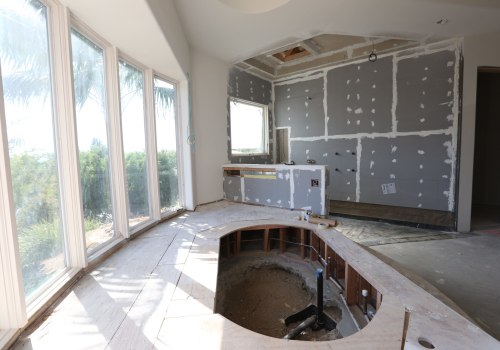
Budgeting effectively for a home renovation project begins with defining clear goals and priorities. Homeowners should identify which areas of the home need improvement and determine whether the focus is on functionality, aesthetics, or increasing property value. Creating a detailed list of must-have upgrades versus optional enhancements helps guide spending decisions and prevents unnecessary expenses. Establishing these priorities early ensures that the budget is aligned with the overall vision for the renovation.
Estimating Costs and Creating a Realistic Budget
Accurate cost estimation is a critical step in the budgeting process. Homeowners should research the costs of materials, labor, permits, and additional services required for the project. It is important to obtain multiple quotes from contractors to compare pricing and understand market rates. Including expenses such as electrical services in Frisco TX helps ensure that essential systems are accounted for in the budget. A realistic budget should also consider the scope of the project and the quality of materials desired, providing a comprehensive view of potential costs.
Planning for Unexpected Expenses
Unexpected expenses are common in renovation projects, making it essential to allocate a contingency fund. Hidden issues such as structural damage, outdated wiring, or plumbing problems may only become apparent once work begins. Setting aside an additional 10–20% of the total budget helps cover these unforeseen costs without disrupting the project. This proactive approach reduces stress and ensures that the renovation can continue smoothly even when surprises arise.
Prioritizing Quality and Long-Term Value
While it may be tempting to cut costs, prioritizing quality is crucial for achieving long-term value. Investing in durable materials and skilled labor can prevent the need for frequent repairs or replacements. High-quality upgrades not only enhance the functionality and appearance of the home but also contribute to its overall value. Homeowners should focus on areas that provide the greatest return on investment, ensuring that their budget is used effectively.
Managing Timeline and Project Phases
Breaking the renovation into phases can help manage both costs and timelines more effectively. By completing the project in stages, homeowners can spread expenses over time and maintain better control over their budget. This approach also allows for adjustments based on progress and changing needs. Careful scheduling ensures that each phase is completed efficiently, minimizing delays and additional costs.
Tracking Expenses and Staying Organized
Keeping track of expenses throughout the renovation process is essential for staying within budget. Maintaining detailed records of all purchases, payments, and contracts helps homeowners monitor spending and identify areas where adjustments may be needed. Using budgeting tools or spreadsheets can simplify this process and provide a clear overview of financial progress. Staying organized ensures that the project remains on track and that financial goals are met.
Achieving a Successful and Cost-Effective Renovation
Ultimately, effective budgeting is key to a successful home renovation project. By setting clear goals, estimating costs accurately, planning for unexpected expenses, and prioritizing quality, homeowners can create a budget that supports their vision. Careful management and organization throughout the process ensure that the renovation is completed efficiently and within financial limits, resulting in a home that meets both functional and aesthetic expectations.