When considering a home renovation, understanding the associated costs is essential for homeowners. The expenses involved in transforming a space can vary significantly based on a multitude of factors, including the scope of the project, the materials used, and the location of the property. Whether you're planning a minor update or a major overhaul, having a clear grasp of home renovation costs will help you budget effectively and avoid unexpected financial surprises. On average, homeowners can expect to spend anywhere from a few thousand dollars for small projects to tens of thousands for extensive renovations. For instance, simple updates like painting or landscaping may only require a modest investment, while larger projects such as kitchen remodels or bathroom additions can escalate quickly.
It's crucial to consider not just the immediate costs but also potential long-term value increases that these improvements can bring to your home. In this article, we will delve deeper into the various elements that influence home improvement expenses, providing insights into average prices for different types of renovations. By understanding these factors, you can make informed decisions that align with your vision and financial capabilities, ensuring that your renovation journey is both rewarding and financially sound.
Factors Influencing Home Renovation Costs
When planning a home renovation, understanding the various factors that influence costs is crucial for budgeting effectively. Here are some key elements that can significantly impact the overall expense of your renovation project:- Location: The geographical area where you live plays a major role in determining renovation costs. Urban areas typically have higher labor and material costs compared to rural locations.
Additionally, local building codes and regulations can affect expenses.
- Size of the Project: The scale of your renovation directly correlates with the cost. A small bathroom remodel will generally be less expensive than a full kitchen renovation or an addition to your home. Larger projects often require more materials and labor, leading to increased costs.
- Materials Used: The choice of materials can greatly influence your budget. High-end finishes, custom cabinetry, and eco-friendly options tend to be more expensive than standard materials.
It's essential to balance quality with cost to achieve the desired outcome without overspending.
- Labor Costs: Labor is often one of the most significant expenses in a home renovation. Skilled tradespeople, such as electricians and plumbers, may charge higher rates due to their expertise. Additionally, the complexity of the work required can affect labor costs; more intricate designs or structural changes will typically require more skilled labor.
- Design and Planning: Investing in professional design services can add to your initial costs but may save you money in the long run by preventing costly mistakes. A well-thought-out plan can help streamline the renovation process and ensure that all aspects are considered.
Average Costs of Common Home Renovations
When considering a home renovation, understanding the average costs associated with various projects is crucial for effective budgeting.Below is a breakdown of typical expenses for some of the most common renovations.
Kitchen Remodel Cost
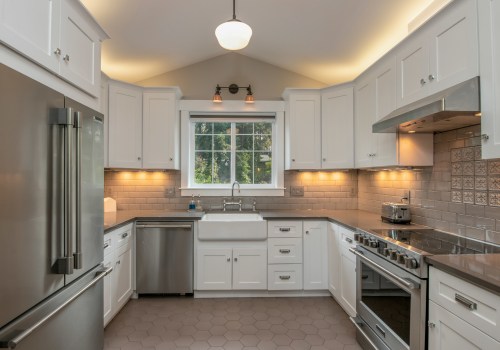
The kitchen is often considered the heart of the home, and renovating it can significantly enhance both functionality and aesthetics. On average, a full kitchen remodel can range from $15,000 to $50,000, depending on the scope of work and materials used. Here’s a quick overview of potential costs:- Cabinetry: $5,000 - $20,000
- Countertops: $2,000 - $5,000
- Appliances: $3,000 - $10,000
- Labor: $4,000 - $10,000
Bathroom Renovation Price
A bathroom renovation can also vary widely in cost. Homeowners typically spend between $10,000 and $30,000 on a bathroom remodel.Key components that influence the price include:
- Vanity and Sink: $1,500 - $5,000
- Shower or Tub Installation: $2,500 - $7,500
- Flooring: $1,000 - $3,000
- Plumbing and Electrical Work: $1,500 - $4,000
Budgeting for Your Home Renovation
When embarking on a home renovation project, effective budgeting is crucial to ensure that your vision aligns with your financial reality. Here are some strategies to help you budget wisely for your renovation.Assess Your Needs and Prioritize
Start by making a list of all the renovations you wish to undertake.This could range from minor updates to major structural changes. Once you have your list, prioritize these items based on necessity and impact. Consider asking yourself:
- Which renovations will increase the value of my home?
- Are there any repairs that need immediate attention?
- What improvements will enhance my quality of life?
Set a Realistic Budget
After prioritizing your renovation needs, it’s time to set a budget. Research the average costs associated with each type of renovation.For instance, kitchen remodels can range significantly in price depending on materials and labor. Use online resources or consult with professionals to get accurate estimates.As a general rule, allocate about 10-20% of your total budget for unexpected expenses. This contingency fund is essential as it provides a safety net for unforeseen issues that may arise during the renovation process.
Consider Financing Options
If your renovation costs exceed your available funds, explore financing options such as home equity loans or personal loans. These can provide the necessary capital while allowing you to spread out payments over time.Track Your Expenses
Once your renovation begins, keep a close eye on your spending.Use budgeting apps or spreadsheets to track expenses against your initial budget. This will help you stay accountable and make adjustments if necessary.In summary, effective budgeting for a home renovation involves careful planning, prioritization, and tracking of expenses. By following these tips, you can ensure that your project stays within financial limits while achieving the desired results.
Financing Your Home Renovation
When considering a home renovation, understanding your financing options is crucial to managing costs effectively. Homeowners have several avenues to explore, each with its own benefits and considerations.- Home Equity Loans: These loans allow you to borrow against the equity in your home.
Typically, they offer lower interest rates compared to personal loans because they are secured by your property. However, it’s essential to ensure that you can manage the additional debt.
- Home Equity Lines of Credit (HELOC): Similar to home equity loans, HELOCs provide a revolving line of credit based on your home’s equity. This option is particularly useful for ongoing renovations, as you can draw funds as needed.
- Personal Loans: Unsecured personal loans can be a quick way to finance smaller renovation projects. While they often come with higher interest rates than secured loans, they do not require collateral.
- FHA 203(k) Loans: If you’re looking to purchase a fixer-upper or refinance an existing mortgage while including renovation costs, an FHA 203(k) loan might be suitable.
This government-backed loan allows you to finance both the home purchase and the renovation in one mortgage.
- Credit Cards: For minor renovations or quick fixes, using a credit card can be convenient. However, be cautious of high-interest rates and ensure you have a plan to pay off the balance quickly.
DIY vs.
Hiring Professionals: Cost ConsiderationsWhen considering a home renovation, one of the first decisions homeowners face is whether to tackle the project themselves or hire professionals. Each approach has its own set of costs and benefits that can significantly impact your overall budget.
DIY Home Renovation Costs
Opting for a DIY renovation can be an appealing choice for those looking to save money. However, it’s essential to account for various factors:- Materials: While you may save on labor costs, you will still need to purchase materials, which can add up quickly depending on the scope of your project.
- Tools: If you don’t already own the necessary tools, renting or buying them can further increase your expenses.
- Time: DIY projects often take longer than anticipated, which can lead to additional costs if you need to hire help later on.
Hiring Professionals: Weighing the Expenses
On the other hand, hiring contractors or professionals for your home renovation can provide several advantages:- Expertise: Professionals bring experience and skills that can lead to higher quality work and potentially save you money in the long run by avoiding costly mistakes.
- Efficiency: Contractors typically complete projects faster than DIYers, which can minimize disruption in your home.
- Permits and Regulations: Professionals are often familiar with local building codes and can handle necessary permits, ensuring your renovation is compliant.
Weighing these factors carefully will help you make an informed choice that aligns with your financial goals and desired outcome for your home renovation.
Hidden Costs in Home Renovations
When planning a home renovation, it’s crucial to consider not just the visible expenses but also the hidden costs that can arise unexpectedly. These additional fees can significantly impact your overall budget, making it essential to be aware of them before starting your project.- Permits and Inspections: Many renovations require permits, which can vary in cost depending on your location and the scope of the work. Additionally, inspections may be necessary to ensure compliance with local building codes.
- Structural Issues: During renovations, you might uncover underlying problems such as mold, water damage, or structural deficiencies. Addressing these issues can lead to substantial additional costs.
- Upgrades and Changes: As the renovation progresses, you may decide to upgrade materials or change design plans.
These modifications can quickly add to your expenses.
- Labor Costs: While you may have budgeted for labor, unexpected delays or complications can lead to increased labor costs. It’s wise to factor in a buffer for these potential overruns.
- Temporary Living Expenses: If your renovation is extensive, you might need to find temporary housing. This can add significant costs that are often overlooked in initial budgeting.
FAQs About Home Renovation Costs
When considering a home renovation, many homeowners have questions about the associated costs.Here are some of the most frequently asked questions regarding renovation expenses.
What is the average cost of a home renovation?
The average cost of a home renovation can vary significantly based on the scope of the project. Generally, homeowners can expect to spend anywhere from $15,000 to $75,000 for major renovations. Smaller projects, like bathroom updates or kitchen remodels, may range from $5,000 to $20,000.How do I budget for a home renovation?
To effectively budget for a home renovation, consider the following steps:- Assess your needs: Determine which areas of your home require updates.
- Research costs: Gather estimates from contractors and suppliers.
- Add a contingency fund: Set aside 10-20% of your budget for unexpected expenses.
Are there hidden costs in home renovations?
Yes, hidden costs can arise during a home renovation. Common examples include:- Permits and inspections: Depending on your location, you may need permits that come with fees.
- Structural issues: Unforeseen problems like mold or outdated wiring can increase costs.
- Design changes: Modifications made during the project can lead to additional expenses.
How can I save money on my renovation?
If you're looking to cut costs on your home renovation, consider these tips:- DIY where possible: Take on smaller tasks yourself to save on labor costs.
- Shop around for materials: Compare prices at different suppliers to find the best deals.
- Prioritize renovations: Focus on essential updates first and save cosmetic changes for later.
Conclusion: Key Takeaways on Home Renovation Costs
In conclusion, understanding the costs associated with home renovation is crucial for any homeowner looking to enhance their living space.Throughout this article, we have explored various factors that influence renovation expenses, including the scope of the project, materials used, and labor costs. Here are some key takeaways to keep in mind:
- Budgeting Wisely: Establish a realistic budget before starting your renovation. Consider not only the direct costs but also potential unexpected expenses that may arise during the project.
- Scope of Work: The extent of your renovation will significantly impact costs. Smaller projects like bathroom updates may range from $5,000 to $15,000, while larger renovations such as kitchen remodels can exceed $50,000.
- Quality of Materials: The choice of materials can make a substantial difference in your overall budget. Opting for high-quality materials may increase initial costs but can lead to long-term savings through durability and reduced maintenance.
- Labor Costs: Hiring professionals can add to your expenses, but their expertise often ensures a higher quality finish and adherence to local building codes.
Always obtain multiple quotes to find a fair price.
- Return on Investment: Consider the potential return on investment (ROI) for your renovations. Projects like kitchen and bathroom remodels typically offer higher returns compared to others.