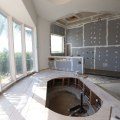
Embarking on a home renovation project can be both exciting and overwhelming. Before diving into the physical aspects of tearing down walls or selecting new fixtures, it’s crucial to first understand the scope of your renovation. This involves identifying which areas of your home need attention and setting realistic goals that align with your vision and budget. Start by assessing your current living space. Walk through each room and take note of what you love and what you would like to change.
Are you looking to modernize your kitchen, expand your living area, or perhaps create a more functional workspace? By pinpointing specific areas for improvement, you can create a focused plan that addresses your needs without getting sidetracked by unnecessary changes. Once you have a clear idea of the areas to renovate, it’s time to set achievable goals. Consider factors such as your budget, timeline, and the potential impact on your daily life during the renovation process. Establishing a realistic timeline will help you manage expectations and reduce stress as you navigate through the various stages of your project. Remember, a well-defined renovation scope not only streamlines the planning process but also ensures that you stay on track and within budget throughout your home renovation.
Budgeting for Your Home Renovation
Creating a home renovation budget is a critical step in ensuring your project runs smoothly and stays within financial limits.Start by determining the overall amount you can afford to spend. This includes not only the direct costs of materials and labor but also any additional expenses that may arise.
Estimating costs
accurately is essential. Begin by researching the average costs for the specific renovations you plan to undertake. Websites like HomeAdvisor or Angie's List can provide valuable insights into typical pricing in your area.Additionally, consider consulting with contractors to get detailed quotes that reflect your unique project needs.
Identifying Hidden Expenses
One of the most significant challenges in budgeting for a home renovation is accounting for hidden expenses. These can include:- Permits and Fees: Depending on your location, you may need various permits for your renovation, which can add to your costs.
- Unexpected Repairs: During renovations, you might uncover issues such as mold or structural damage that require immediate attention.
- Design Changes: If you decide to make changes mid-project, this can lead to increased costs.
Budgeting Tips
Here are some practical budgeting tips to keep in mind:- Prioritize Your Needs: Identify which renovations are essential and which are optional. Focus on high-impact areas first.
- Get Multiple Quotes: Always obtain several estimates from contractors to ensure you’re getting a fair price.
- Track Your Spending: Keep detailed records of all expenses throughout the renovation process to avoid overspending.
Choosing the Right Contractors and Professionals
When embarking on a home renovation project, selecting the right contractors and professionals is crucial to ensure a smooth and successful transformation.Here are some essential tips to help you find qualified individuals for your renovation team.
- Research and Recommendations: Start by asking friends, family, or neighbors for recommendations. Personal experiences can provide valuable insights into the reliability and quality of work of potential contractors.
- Online Reviews: Utilize online platforms such as Yelp, Angie's List, or Google Reviews to read feedback from previous clients. Look for contractors with consistently high ratings and positive comments.
- Check Credentials: Ensure that the contractors you consider are licensed, insured, and bonded. This protects you from liability in case of accidents and ensures that they meet industry standards.
- Interview Multiple Candidates: Don’t settle for the first contractor you meet.
Interview at least three candidates to compare their experience, approach, and pricing. Ask about their previous projects similar to your home renovation.
- Request Detailed Estimates: Obtain written estimates that outline the scope of work, materials needed, and timelines. This will help you understand the costs involved and avoid any surprises later on.
- Ask for References: A reputable contractor should be able to provide references from past clients. Contact these references to inquire about their experiences and satisfaction with the work performed.
- Trust Your Instincts: Finally, trust your gut feeling about a contractor.
Communication is key in any renovation project; choose someone who listens to your ideas and concerns.
Preparing Your Home Environment
Preparing your home for a major renovation is crucial to ensure a smooth process and protect your belongings. Here are some essential steps to consider:- Clear the Space: Begin by removing any furniture, decor, and personal items from the areas that will be renovated. This not only protects your belongings but also provides contractors with easy access to work.
- Cover Furniture: If you cannot move larger pieces, cover them with drop cloths or plastic sheeting to shield them from dust and debris. This is especially important for items that are difficult to clean or restore.
- Seal Off Areas: Use plastic sheeting to seal off doorways and vents leading to other parts of your home.
This helps contain dust and noise, making the renovation less disruptive.
- Protect Floors: Lay down protective coverings on floors, especially in high-traffic areas. Consider using plywood or heavy-duty cardboard to prevent scratches and damage.
- Check for Hazards: Before work begins, inspect the area for potential hazards such as exposed wiring or plumbing issues. Address these concerns with your contractor.
- Establish a Safe Zone: Designate a safe area in your home where you and your family can stay during the renovation. This should be away from construction noise and dust.
- Communicate with Contractors: Maintain open lines of communication with your renovation team.
Discuss safety protocols and any concerns you may have about the project.
Communicating with Your Family and Neighbors
Preparing for a home renovation involves more than just selecting materials and hiring contractors; effective communication with your family and neighbors is crucial for a smooth process. Clear dialogue can help manage expectations, reduce stress, and foster a cooperative atmosphere.Communicating with Family
Before the renovation begins, it’s essential to have an open discussion with your family members. Here are some key points to cover:- Discuss the Timeline: Share the renovation schedule, including start and end dates, so everyone knows what to expect.
- Set Boundaries: Determine which areas of the home will be off-limits during the renovation to ensure safety and privacy.
- Address Concerns: Encourage family members to voice any worries they may have about noise, dust, or disruptions to their daily routines.
Informing Your Neighbors
Your neighbors will likely be affected by the noise and activity that comes with a home renovation. Keeping them informed can help maintain good relations:- Notify in Advance: Send a friendly note or have a brief chat with your neighbors to inform them about the upcoming work.
- Provide Details: Let them know the expected duration of the project and any specific times when work will be particularly noisy.
- Offer Contact Information: Share your phone number or email address so they can reach out if they have concerns during the renovation.
This proactive approach not only helps in managing expectations but also fosters goodwill, making the entire process more enjoyable for everyone involved.
Permits and Regulations: What You Need to Know
When embarking on a home renovation project, understanding the necessary permits and building regulations is crucial. Failing to secure the appropriate permits can lead to fines, delays, and even the need to undo completed work. Here’s what you need to know:- Types of Permits: Depending on the scope of your renovation, you may need various permits, including:
- Building Permits: Required for structural changes, such as adding walls or altering the foundation.
- Electrical Permits: Necessary for any electrical work, including rewiring or installing new fixtures.
- Plumbing Permits: Needed for modifications to plumbing systems, such as relocating sinks or toilets.
- Zoning Permits: Ensure your renovation complies with local zoning laws, especially if you’re expanding your home.
Research Local Regulations:
Each municipality has its own set of rules regarding home renovations. It’s essential to check with your local building department to understand:
- The specific permits required for your project.
- The application process and associated fees.
- The timeline for permit approval.
Legal Requirements:
In addition to obtaining permits, homeowners must adhere to certain legal requirements during renovations.
This includes:
- Hiring Licensed Contractors: Many jurisdictions require that contractors be licensed and insured. Verify their credentials before hiring.
- Adhering to Safety Codes: Renovations must comply with safety codes to ensure the well-being of occupants and workers.
- Inspections: Some projects may require inspections at various stages to ensure compliance with building codes.
Creating a Timeline for Your Renovation Project
Creating a realistic timeline for your home renovation project is crucial for ensuring that everything runs smoothly and stays on track. A well-structured schedule not only helps you manage your time effectively but also sets clear expectations for everyone involved.Here are some steps to help you develop a comprehensive renovation timeline:- Define the Scope of Your Project: Before you can create a timeline, you need to have a clear understanding of what your renovation entails.
List all the tasks that need to be completed, from demolition to final touches.
- Consult with Professionals: If you're working with contractors or designers, consult them early in the process. They can provide insights into how long each phase of the project will take based on their experience.
- Break Down the Project into Phases: Divide your renovation into manageable phases. For example, you might have separate phases for planning, demolition, construction, and finishing. This will make it easier to allocate time and resources effectively.
- Set Realistic Deadlines: Assign deadlines to each phase based on the complexity of the tasks involved.
Be sure to account for potential delays due to weather, supply chain issues, or unexpected complications.
- Include Buffer Time: Always include buffer time in your schedule. Renovations often encounter unforeseen challenges, so having extra time can help alleviate stress and keep the project on track.
- Communicate with Your Team: Keep open lines of communication with everyone involved in the project. Regular check-ins can help ensure that everyone is aware of the timeline and any changes that may arise.
FAQs About Preparing for Home Renovations
Preparing for a home renovation can be a daunting task, and many homeowners have questions about the process.Here are some frequently asked questions that can help guide you through your renovation preparations.
What should I do first when preparing for a renovation?
The first step is to clearly define your goals for the renovation. Consider what areas of your home need improvement and what your budget is. Once you have a clear vision, you can start researching contractors and gathering estimates.How can I minimize disruption during the renovation?
To minimize disruption, consider setting up a temporary living space in another part of your home or even renting a short-term apartment if the renovation is extensive. Communicate with your contractor about timelines and work schedules to better prepare for any inconveniences.What permits do I need for my home renovation?
Most major renovations require permits, especially if they involve structural changes, electrical work, or plumbing.Check with your local building department to understand what permits are necessary for your specific project.
How do I choose the right contractor?
- Research: Look for contractors with good reviews and a solid portfolio.
- Interviews: Conduct interviews to gauge their experience and communication style.
- References: Ask for references from past clients to ensure reliability.
What should I budget for unexpected costs?
It’s wise to set aside an additional 10-20% of your total budget for unexpected expenses. Renovations often uncover hidden issues, such as outdated wiring or plumbing problems, that may require additional funds to address.By addressing these common questions, you can better prepare yourself for a successful home renovation. Taking the time to plan and gather information will lead to a smoother process and ultimately a more satisfying outcome.Conclusion: Key Takeaways for a Successful Home Renovation Preparation
Preparing your home for a major renovation project is a crucial step that can significantly impact the success of the entire endeavor. By following the guidelines outlined in this article, you can ensure a smoother process and minimize potential disruptions.Key Steps to Remember
- Assess Your Space: Before any work begins, take the time to evaluate your home’s current condition.
Identify areas that need attention and prioritize them based on your renovation goals.
- Create a Detailed Plan: A well-thought-out plan is essential. Outline your renovation objectives, budget, and timeline. This will serve as your roadmap throughout the project.
- Communicate with Professionals: If you’re hiring contractors, maintain open lines of communication. Discuss your vision and expectations clearly to avoid misunderstandings.
- Prepare for Disruption: Renovations can be noisy and messy.
Prepare your family by setting expectations about the disruption and consider temporary living arrangements if necessary.
- Secure Necessary Permits: Don’t overlook the importance of obtaining the required permits for your renovation. This not only ensures compliance with local regulations but also protects your investment.