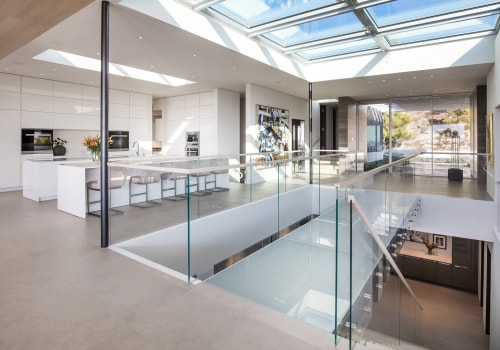
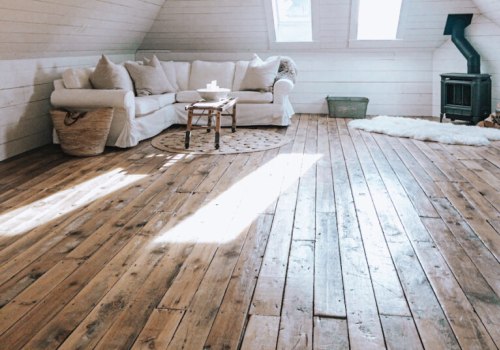
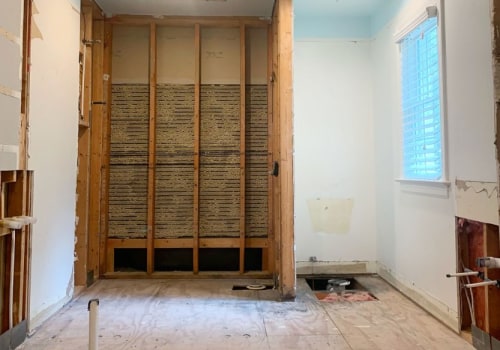
Home renovation projects were once largely driven by aesthetics. Homeowners typically focused on updating outdated kitchens, modernizing bathrooms, replacing flooring, or improving curb appeal. While visual enhancements remain an important motivation for remodeling, modern renovation strategies have expanded significantly in recent years. Today, many property owners view renovations not only as opportunities to improve comfort and appearance but also as investments in long-term property protection and resilience.
This shift reflects a growing awareness of how various environmental, structural, and maintenance-related factors can affect a home's value and longevity. Rather than concentrating exclusively on design trends, homeowners are increasingly considering how renovation decisions can help protect their properties from weather-related damage, moisture intrusion, energy loss, and other common risks. As a result, renovation planning has become more comprehensive and strategic than ever before.
The Rise of Preventive Renovation Planning
One of the most notable changes in modern renovation philosophy is the emphasis on prevention. Instead of waiting for problems to occur, homeowners are proactively incorporating protective upgrades into remodeling projects. For example, when replacing exterior siding or updating windows, many property owners also evaluate insulation performance, moisture barriers, and drainage systems.
Similarly, roofing projects are no longer viewed solely as opportunities to improve appearance. Homeowners frequently assess ventilation, flashing systems, gutter performance, and overall weather resistance as part of a broader effort to safeguard the structure. This preventive approach can help reduce the likelihood of costly repairs while extending the lifespan of major building components.
Advancements in building materials have further supported this trend. Modern products often offer enhanced durability, improved weather resistance, and better energy efficiency compared to older construction materials. Renovation projects increasingly prioritize these long-term benefits alongside immediate visual improvements.
Addressing Multiple Property Risks Simultaneously
Another reason renovation strategies have evolved is the growing recognition that many property systems are interconnected. A single improvement can often contribute to multiple protection goals at the same time. For instance, upgrading exterior doors and windows may improve energy efficiency while also enhancing security and reducing moisture infiltration.
Likewise, improving drainage around the property can help protect foundations, landscaping, and structural elements from water-related damage. Renovation professionals frequently encourage homeowners to evaluate the broader impact of each improvement rather than viewing projects as isolated upgrades.
Companies such as Impact Roofing & Construction often work with homeowners who understand that protecting a property requires attention to multiple systems operating together. Roofing, exterior construction, weatherproofing, and structural integrity all play important roles in maintaining a safe and durable home environment. By considering these factors during renovation planning, property owners can achieve greater long-term value from their investments.
Preparing Homes for Changing Conditions
Environmental conditions and homeowner expectations have also influenced renovation priorities. Increasing awareness of severe weather events, temperature fluctuations, and long-term maintenance costs has encouraged many homeowners to adopt a more proactive mindset. Renovation projects now frequently include measures designed to improve resilience against future challenges.
Examples may include reinforcing vulnerable structural areas, enhancing water management systems, upgrading roofing materials, or improving ventilation throughout the home. These improvements are often less noticeable than cosmetic upgrades, yet they can have a significant impact on the property's ability to withstand everyday wear and unexpected events.
Technology has further contributed to this evolution. Smart monitoring systems, energy-efficient building components, and advanced construction materials allow homeowners to make informed decisions that support both comfort and protection.
A More Comprehensive Approach to Homeownership
Modern home renovation strategies reflect a broader understanding of property stewardship. While creating attractive living spaces remains important, homeowners increasingly recognize that protecting their investments requires a more comprehensive approach. Renovations now serve multiple purposes, including enhancing functionality, improving efficiency, increasing durability, and reducing future risks.
By incorporating property protection goals into renovation planning, homeowners can create spaces that not only look better but also perform more effectively over time. This evolution in renovation strategy demonstrates how thoughtful improvements can contribute to both immediate satisfaction and long-term property security, helping homes remain valuable, comfortable, and resilient for years to come.