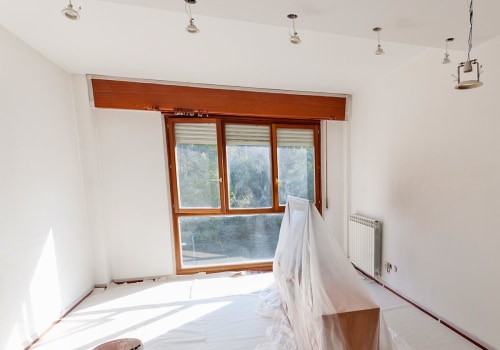
Embarking on a home renovation project can be both exciting and daunting. Whether you're looking to update your kitchen, expand your living space, or enhance your home's curb appeal, understanding the home renovation process is crucial for success. A well-planned renovation not only transforms your living environment but also adds value to your property. However, without proper planning and budget management, even the most straightforward projects can spiral out of control. The first step in any successful renovation is thorough renovation planning.
This involves defining your goals, setting a realistic timeline, and determining a budget that reflects the scope of work you wish to undertake. It's essential to prioritize your needs and wants, as this will guide your decisions throughout the project. By establishing a clear vision from the outset, you can avoid costly changes and delays later on. Budget management is another critical aspect of the home renovation process. Unexpected expenses often arise during renovations, so it's wise to allocate a contingency fund—typically around 10-20% of your total budget.
This financial cushion allows you to address unforeseen issues without derailing your entire project. Additionally, keeping track of expenses and regularly reviewing your budget will help ensure that you stay on course and make informed decisions as the renovation progresses.
Setting a Realistic Budget
Creating a realistic budget for your home renovation project is crucial to ensure that you stay on track financially and avoid unnecessary stress. Here are some essential tips to help you establish a budget that reflects your needs and expectations.1.Assess Your Financial Situation
Before diving into the specifics of your renovation, take a close look at your finances. Determine how much you can comfortably afford to spend without compromising your financial stability.Consider factors such as:
- Your current savings
- Potential financing options
- Monthly expenses and income
2.Research and Estimate Costs
Once you have a clear understanding of your financial situation, start researching the costs associated with your renovation. This includes materials, labor, permits, and any additional fees. Utilize online resources, consult with professionals, and gather quotes from contractors to create a comprehensive cost estimate.3.Include a Contingency Fund
No matter how well you plan, unexpected expenses can arise during a home renovation. To safeguard against these surprises, set aside a contingency fund of at least 10-20% of your total budget.This will provide you with the flexibility to address unforeseen issues without derailing your project.
4.Prioritize Your Renovation Goals
Identify which aspects of your renovation are most important to you. Prioritizing will help you allocate funds effectively and make informed decisions if you need to cut costs later on. Consider creating a list that ranks each project component based on necessity versus desire.5.Track Your Spending
As your renovation progresses, keep a close eye on your spending. Regularly update your budget to reflect actual costs and compare them against your estimates.This practice will help you identify any discrepancies early on and allow for adjustments as needed.By following these steps, you can create a home renovation budget that not only meets your needs but also keeps your project on schedule and within financial limits.
Creating a Detailed Project Timeline
Creating a detailed project timeline is crucial for ensuring that your home renovation stays on track and within budget. A well-structured timeline not only helps you visualize the entire process but also allows you to manage your time effectively.Breaking Down Tasks
- Start by listing all the tasks involved in your renovation, from initial planning and design to final inspections.
- Group related tasks together, such as demolition, construction, and finishing touches.
- Assign a realistic duration to each task based on your research and past experiences.
- Prioritize Tasks: Identify which tasks are dependent on others and prioritize them accordingly. For example, you cannot start painting until the drywall is installed.
- Buffer Time: Always include buffer time for unexpected delays.
This could be due to weather conditions, supply chain issues, or labor availability.
- Milestones: Establish key milestones throughout the project. These can serve as checkpoints to assess progress and make necessary adjustments.
By breaking down tasks, setting realistic deadlines, and monitoring progress, you can ensure that your home renovation remains both timely and budget-friendly.
Choosing the Right Contractors and Professionals
Choosing the right contractors and professionals is a pivotal step in ensuring your home renovation project remains within budget and on schedule. The quality of work and adherence to timelines largely depend on the expertise and reliability of the individuals you hire.1.Research and Recommendations
- Start by asking friends, family, or neighbors for recommendations. Personal experiences can provide valuable insights.
- Utilize online platforms such as Yelp, Angie's List, or HomeAdvisor to read reviews and ratings of local contractors.
- Check for any complaints with the Better Business Bureau (BBB) to ensure the contractor has a good standing.
2.Verify Credentials
- Ensure that the contractor is licensed and insured. This protects you from liability in case of accidents or damages during the renovation.
- Ask for references from previous clients and follow up with them to gauge their satisfaction with the work done.
3.Interview Potential Contractors
- Prepare a list of questions to ask during interviews, such as their experience with similar projects, estimated timelines, and payment schedules.
- Discuss your vision for the renovation and see how they respond.
A good contractor should be able to offer suggestions while respecting your ideas.
4.Get Detailed Estimates
- Request written estimates from multiple contractors. This will help you compare costs and understand what is included in each bid.
- Be wary of bids that are significantly lower than others; they may indicate subpar materials or workmanship.
5.Establish Clear Communication
- Set expectations for communication frequency and methods. Regular updates can help keep the project on track and within budget.
- Document all agreements in writing, including timelines, costs, and specific tasks to avoid misunderstandings later on.
Effective Communication with Your Team
Effective communication is the backbone of any successful home renovation project. When you engage in clear and consistent dialogue with your contractors and team members, you set the stage for a smoother process, minimizing misunderstandings and delays.Establishing Clear Channels of Communication
- Choose a primary mode of communication, whether it’s email, phone calls, or project management software.
This helps everyone stay on the same page.
- Schedule regular check-ins to discuss progress, challenges, and upcoming tasks. This keeps the momentum going and allows for timely adjustments.
Encouraging Team Collaboration
- Foster an environment where team members feel comfortable sharing their ideas and concerns. This can lead to innovative solutions that enhance the renovation.
- Utilize collaborative tools that allow for real-time updates and feedback. This ensures that everyone has access to the latest information regarding the project.
Providing Project Updates
- Keep all stakeholders informed about the project's status.
Regular updates can help manage expectations and prevent surprises.
- Document changes or decisions made during meetings to maintain a clear record. This can be invaluable if disputes arise later in the project.
Managing Changes and Unexpected Issues
In any home renovation project, changes and unexpected issues are almost inevitable. Managing these effectively is crucial to keeping your project on track and within budget.Here are some strategies to help you navigate these challenges:
- Establish a Change Management Plan: Before starting your renovation, create a plan that outlines how changes will be handled. This should include a process for submitting change requests, evaluating their impact on the budget and timeline, and obtaining necessary approvals.
- Communicate Openly: Maintain clear communication with your contractor and team. Regular check-ins can help identify potential issues early, allowing for timely adjustments without significant disruptions.
- Prioritize Flexibility: While it’s essential to have a plan, being flexible can save you time and money. If an unexpected issue arises, such as structural damage or supply delays, be prepared to adapt your plans rather than sticking rigidly to the original schedule.
- Assess the Situation: Take a moment to evaluate the problem.
Determine its cause and potential solutions before making any decisions.
- Consult Your Team: Involve your contractor and any relevant professionals in discussions about how to address the issue. Their expertise can provide valuable insights into the best course of action.
- Document Everything: Keep detailed records of any changes made during the renovation process. This documentation will be helpful for future reference and can assist in managing costs.
Monitoring Progress and Adjusting Plans
To ensure your home renovation project stays within budget and on schedule, it is crucial to monitor progress regularly. This involves not only keeping an eye on the physical work being done but also tracking expenses and timelines. One effective way to track renovation progress is by establishing a clear timeline with specific milestones.Break down the project into manageable phases, and set deadlines for each phase. This will help you identify any delays early on and address them promptly. Utilizing project management tools can significantly enhance your ability to monitor progress. Tools like Trello, Asana, or even simple spreadsheets can help you keep track of tasks, deadlines, and budgets. These platforms allow you to assign responsibilities, set reminders, and visualize the overall progress of your renovation. Regular check-ins with your contractor or team are also essential.
Schedule weekly meetings to discuss what has been accomplished, what challenges have arisen, and how they can be addressed. This open line of communication ensures that everyone is on the same page and can adapt plans as necessary. If you notice that certain aspects of the project are falling behind schedule or exceeding budget, don’t hesitate to make adjustments. This could mean reallocating resources, changing suppliers, or even revisiting your design choices. Flexibility is key in home renovation, as unexpected issues often arise. In summary, by actively monitoring progress through established timelines, utilizing project management tools, and maintaining open communication with your team, you can effectively adjust plans as needed to keep your home renovation project on track.
FAQs About Home Renovation Budgeting and Scheduling
When embarking on a home renovation project, it's common to have numerous questions regarding budgeting and scheduling.Here are some frequently asked questions that can help clarify your concerns:
What is the average cost of a home renovation?
The cost of a home renovation can vary significantly based on the scope of the project, location, and materials used. On average, homeowners can expect to spend between $15,000 to $50,000 for a mid-range renovation. However, larger projects like kitchen or bathroom remodels can exceed $100,000.How can I create a realistic budget?
To create a realistic budget for your home renovation, consider the following steps:- Research Costs: Gather estimates for materials and labor from multiple contractors.
- Include Contingency Funds: Set aside 10-20% of your total budget for unexpected expenses.
- Prioritize Needs vs. Wants: Identify essential renovations versus upgrades that can wait.
How do I ensure my renovation stays on schedule?
Staying on schedule during a home renovation requires careful planning and communication.Here are some tips:
- Create a Detailed Timeline: Outline each phase of the project with specific deadlines.
- Communicate Regularly: Maintain open lines of communication with your contractor to address any issues promptly.
- Avoid Changes Mid-Project: Try to finalize your design and materials before work begins to prevent delays.
What should I do if my project goes over budget?
If you find your home renovation project exceeding the budget, consider these strategies:- Reassess Your Priorities: Determine if any non-essential elements can be postponed or eliminated.
- Negotiate with Contractors: Discuss potential cost-saving measures with your contractor.
- Explore Alternative Materials: Look for less expensive options that still meet your design goals.
Conclusion: Key Takeaways for Successful Home Renovation
In conclusion, ensuring that your home renovation project stays within budget and on schedule requires careful planning and execution. Here are the key takeaways to keep in mind:- Establish a Realistic Budget: Before starting your renovation, create a detailed budget that includes all potential costs, such as materials, labor, permits, and unexpected expenses. This will help you avoid financial surprises down the line.
- Set a Clear Timeline: Develop a comprehensive timeline that outlines each phase of the renovation. Be sure to account for potential delays and communicate these timelines with your contractors to ensure everyone is on the same page.
- Prioritize Communication: Maintain open lines of communication with all parties involved in the renovation.
Regular check-ins with contractors and suppliers can help address issues before they escalate and keep the project on track.
- Be Flexible: While it’s important to stick to your budget and timeline, be prepared for changes. Renovations often uncover unexpected challenges that may require adjustments to your plans.
- Document Everything: Keep detailed records of all transactions, contracts, and communications. This documentation can be invaluable if disputes arise or if you need to revisit decisions made during the renovation process.