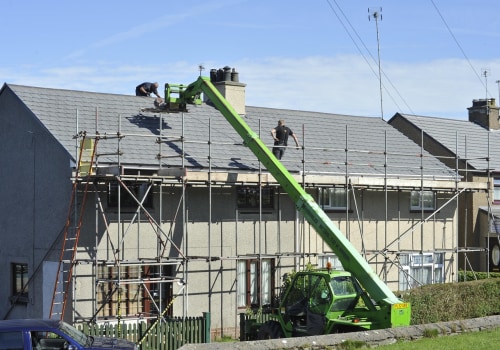
When embarking on a home renovation, the excitement of transforming your living space can often overshadow the critical aspect of safety. Understanding the importance of safety in home renovation is paramount, as it not only protects you and your family but also ensures that the renovation process runs smoothly. From minor updates to major overhauls, every project carries inherent risks that can lead to accidents if proper precautions are not taken. One of the most significant risks during a home renovation is the potential for physical injuries. Whether it's handling heavy materials, using power tools, or working at heights, the likelihood of accidents increases without adequate safety measures.
Additionally, exposure to hazardous materials such as asbestos or lead paint can pose serious health risks if not managed correctly. Therefore, prioritizing safety is not just a recommendation; it is a necessity that can save lives and prevent costly setbacks. Moreover, taking safety precautions can enhance the overall efficiency of your renovation project. By planning ahead and implementing safety protocols, you can minimize disruptions and delays caused by accidents or injuries. This proactive approach not only protects your investment but also fosters a more productive work environment, allowing you to focus on achieving your vision for your home.
Planning Your Renovation Safely
Before diving into a home renovation, it is crucial to engage in thorough planning to ensure safety and efficiency throughout the process.A well-structured plan not only helps in managing the scope of work but also minimizes potential hazards that can arise during renovations.Start by creating a detailed renovation checklist. This checklist should outline every aspect of the project, from initial design ideas to the final touches. Here are some key elements to include:
- Define the Scope of Work: Clearly outline what areas of your home will be renovated and what specific tasks will be performed.
- Budgeting: Establish a budget that includes materials, labor, and a contingency fund for unexpected expenses.
- Permits and Regulations: Research local building codes and obtain necessary permits to avoid legal issues.
- Timeline: Create a realistic timeline for your renovation, factoring in potential delays.
- Assess Hazards: Identify any potential hazards in your home, such as lead paint or asbestos, especially in older homes. Consult professionals if necessary.
- Protective Gear: Ensure that all workers and family members wear appropriate protective gear, including gloves, goggles, and masks.
- Secure the Work Area: Clearly mark off areas under renovation to prevent accidents.
Use barriers or signage to keep children and pets away from hazardous zones.
- Emergency Plan: Develop an emergency plan that includes contact information for local emergency services and a first-aid kit readily available on-site.
Protecting Yourself and Your Family
When embarking on a home renovation, ensuring the safety of yourself and your family should be a top priority. The construction environment can pose various hazards, making it essential to take appropriate precautions.Personal Protective Equipment (PPE)
Utilizing personal protective equipment (PPE) is crucial during any renovation project. Here are some essential items to consider:- Gloves: Protect your hands from sharp objects, chemicals, and debris.
Choose gloves that are appropriate for the specific tasks you will be performing.
- Masks: Dust and fumes can be harmful when inhaled. A quality mask or respirator can help filter out harmful particles, especially when sanding or painting.
- Goggles: Eye protection is vital when working with power tools or materials that may produce flying debris. Ensure your goggles fit well and provide adequate coverage.
- Hard Hats: If your renovation involves overhead work or the risk of falling objects, wearing a hard hat can prevent serious injuries.
Family Safety Tips
In addition to protecting yourself, it’s important to keep your family safe during renovations. Here are some tips:- Establish Boundaries: Create a designated work area and keep children and pets away from this zone to minimize the risk of accidents.
- Communicate Risks: Talk to your family about potential hazards associated with the renovation process, so they understand the importance of staying clear of certain areas.
- Secure Tools and Materials: Store tools and hazardous materials out of reach of children.
Use childproof locks on cabinets where chemicals are stored.
- Schedule Work Wisely: Plan renovation activities during times when children are at school or engaged in activities outside the home.
Ensuring Structural Safety
When embarking on a home renovation, ensuring structural safety is paramount. Many homeowners underestimate the risks associated with altering the structure of their homes, particularly when it comes to load-bearing walls. These walls are crucial for maintaining the integrity of your home, and any modifications can lead to serious safety hazards.Before starting any renovation project, it’s essential to assess the structural integrity of your home.Here are some steps to consider:
- Consult a Structural Engineer: Engaging a professional can provide you with insights into which walls are load-bearing and how they can be safely modified or removed.
- Conduct a Thorough Inspection: Look for signs of structural issues such as cracks in walls, uneven floors, or doors that stick. These may indicate underlying problems that need to be addressed before proceeding.
- Understand Local Building Codes: Familiarize yourself with local regulations regarding structural changes. This ensures that your renovations comply with safety standards and can prevent costly fines.
- Use Proper Tools and Equipment: Ensure you have the right tools for the job and that they are in good working condition.
- Wear Safety Gear: Always wear protective gear such as helmets, gloves, and goggles to minimize injury risks.
- Keep Work Areas Clear: Maintain a tidy workspace to prevent accidents caused by tripping or falling objects.
Electrical and Plumbing Safety Precautions
When undertaking a home renovation, ensuring safety during electrical and plumbing work is paramount.Both systems pose significant risks, including electrocution and water damage, if not handled properly. Here are essential precautions to consider:
Electrical Safety Precautions
- Turn Off Power: Before starting any electrical work, always turn off the power at the circuit breaker. Use a voltage tester to confirm that the power is off.
- Use Proper Tools: Ensure you have insulated tools and wear rubber-soled shoes to minimize the risk of electric shock.
- Check Wiring: Inspect existing wiring for any signs of wear or damage. If you find frayed wires or loose connections, consult a professional electrician.
- Follow Local Codes: Adhere to local building codes and regulations when installing new electrical systems or making modifications.
Plumbing Safety Precautions
- Shut Off Water Supply: Before beginning any plumbing work, turn off the main water supply to prevent leaks and flooding.
- Use Protective Gear: Wear gloves and goggles to protect yourself from sharp tools and hazardous materials, especially when dealing with old pipes that may contain lead.
- Be Cautious with Chemicals: If using chemical drain cleaners, follow the instructions carefully and ensure proper ventilation to avoid inhaling harmful fumes.
- Test for Leaks: After completing plumbing work, turn the water supply back on slowly and check for leaks before closing up walls or floors.
If you're ever in doubt about your ability to safely complete a task, it's wise to consult with or hire a licensed professional.
Fire Safety Measures During Renovation
When undertaking a home renovation, ensuring fire safety is paramount. Renovation projects often involve the use of flammable materials and tools that can pose significant fire hazards. Here are some essential fire safety tips to keep in mind:- Proper Storage of Flammable Materials: Store all flammable materials, such as paints, solvents, and adhesives, in a cool, dry place away from heat sources. Use metal cabinets or containers specifically designed for hazardous materials.
- Maintain a Clean Work Area: Keep the renovation site free of debris and clutter.
Accumulated dust and scraps can easily ignite and spread flames.
- Use Tools Safely: Ensure that all power tools are in good working condition and used according to the manufacturer’s instructions. Avoid using tools near flammable materials.
- Have Fire Extinguishers on Hand: Equip your renovation site with at least one fire extinguisher rated for multiple types of fires (Class A, B, and C). Ensure that everyone on-site knows its location and how to use it.
- Establish an Emergency Plan: Create a clear evacuation plan in case of a fire. Make sure all workers are aware of the nearest exits and assembly points.
- Avoid Overloading Circuits: Be cautious with electrical tools and avoid overloading circuits, which can lead to overheating and potential fires.
Always prioritize safety to ensure a successful and secure renovation experience.
Working with Contractors: Ensuring Safety Compliance
When embarking on a home renovation, ensuring safety compliance is paramount, especially when hiring contractors. The right contractor not only brings expertise but also prioritizes safety and adheres to local regulations.Choosing Qualified Contractors
- Research Credentials: Verify that potential contractors are licensed and insured. This protects you from liability in case of accidents and ensures they meet industry standards.
- Check References: Ask for references from previous clients. A reputable contractor should be willing to provide testimonials or examples of past work, particularly regarding their safety practices.
- Review Safety Records: Inquire about the contractor's safety record.
A history of accidents or violations can be a red flag.
Contractor Responsibilities
- Compliance with Local Regulations: Contractors should be familiar with local building codes and safety regulations. Ensure they obtain necessary permits before starting work.
- Workplace Safety Measures: A good contractor will implement safety measures such as proper scaffolding, protective gear for workers, and clear signage around the worksite to prevent accidents.
- Communication: Maintain open lines of communication with your contractor. Regular updates on safety protocols and any changes in the project can help mitigate risks.
Frequently Asked Questions About Home Renovation Safety
When embarking on a home renovation, safety should always be a top priority.Here are some frequently asked questions that can help clarify common concerns regarding safety during renovations.
What are the most common safety hazards during home renovations?
Home renovations can expose you to various hazards, including:- Falls: Working at heights or on ladders can lead to serious injuries.
- Electrical hazards: Improper handling of electrical systems can result in shocks or fires.
- Asbestos and lead exposure: Older homes may contain harmful materials that require special handling.
- Tool-related injuries: Power tools can cause cuts, bruises, or worse if not used correctly.
How can I ensure my home is safe during renovations?
To maintain safety during your home renovation, consider the following precautions:- Plan ahead: Create a detailed renovation plan that includes safety measures.
- Use protective gear: Always wear appropriate safety equipment such as gloves, goggles, and hard hats.
- Secure the work area: Use barriers to keep children and pets away from the renovation site.
- Hire professionals: For complex tasks, consider hiring licensed contractors who understand safety protocols.
What should I do if I encounter hazardous materials?
If you discover hazardous materials like asbestos or lead during your renovation, it’s crucial to:- Avoid disturbing them: Do not attempt to remove these materials yourself.
- Contact professionals: Hire certified specialists who can safely handle and dispose of hazardous materials.
Conclusion: Key Takeaways for Safe Home Renovation Practices
In conclusion, ensuring safety during a home renovation is paramount for both the well-being of the occupants and the integrity of the project. By adhering to the safety precautions discussed, homeowners can significantly reduce risks associated with construction work.Key takeaways include:- Planning and Preparation: Before starting any renovation, create a detailed plan that includes timelines, budgets, and safety measures. This preparation helps in anticipating potential hazards.
- Protective Gear: Always wear appropriate personal protective equipment (PPE) such as gloves, goggles, and masks.
This gear is essential for safeguarding against dust, debris, and harmful substances.
- Proper Ventilation: Ensure that work areas are well-ventilated, especially when using paints or solvents. Good airflow minimizes exposure to toxic fumes.
- Electrical Safety: When working with electrical systems, turn off power at the circuit breaker and use tools with insulated handles to prevent shocks.
- Child and Pet Safety: Keep children and pets away from renovation sites. Establish a safe zone to prevent accidents during construction.
- Emergency Preparedness: Have a first aid kit readily available and know emergency contact numbers. Being prepared can make a significant difference in case of an accident.
Remember, a safe renovation is a successful renovation!.