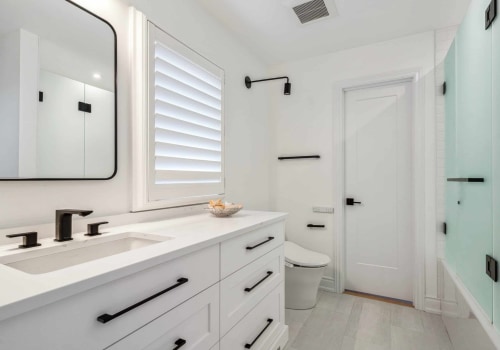
Many homeowners assume that the construction phase is the longest and most challenging part of a renovation project. In reality, the planning stage often has a much greater influence on the overall timeline than the actual building process. Whether renovating a kitchen, expanding a living room, upgrading a backyard, or remodeling a swimming pool, careful preparation lays the groundwork for efficient execution. Decisions regarding budgets, design concepts, permits, material selection, contractor scheduling, and project sequencing all take place before the first tool is used. When these elements are thoroughly organized, construction typically progresses more smoothly, reducing delays and helping homeowners achieve their renovation goals within a more predictable timeframe.
Planning Prevents Costly Delays
One of the most common causes of renovation delays is incomplete planning. Changing design decisions midway through construction often requires additional labor, revised material orders, updated permits, or adjustments to work already completed. These unexpected changes can extend project schedules significantly while increasing overall costs. Thorough planning minimizes these risks by establishing clear expectations before construction begins. Homeowners who finalize layouts, finishes, fixtures, and construction priorities early allow contractors to coordinate labor and materials more effectively. This proactive approach also gives suppliers adequate time to deliver specialized products, reducing the likelihood of work stopping while waiting for essential materials to arrive.
Coordinating Multiple Contractors Requires Organization
Most renovation projects involve several professionals working together, including architects, designers, electricians, plumbers, painters, flooring installers, landscapers, and specialty contractors. Effective scheduling ensures each trade completes its portion of the project in the correct sequence without interfering with others. Homeowners researching large outdoor renovations may compare services offered by the best pool remodelers in Memphis, TN while simultaneously evaluating landscaping, paving, or patio contractors to develop a comprehensive project plan. Although each specialty operates independently, coordinated scheduling helps avoid unnecessary downtime between construction phases. Careful planning allows contractors to share timelines, anticipate upcoming work, and complete projects more efficiently while maintaining consistent quality standards.
Material Availability Influences Project Schedules
Modern renovation projects depend heavily on material availability, making procurement an important part of project planning. Specialty flooring, cabinetry, windows, lighting fixtures, custom stonework, outdoor finishes, and pool components may require extended manufacturing or shipping times. Ordering these materials well in advance allows contractors to begin installation immediately when construction reaches the appropriate phase. Planning also provides flexibility if substitutions become necessary due to supply chain disruptions or discontinued products. Rather than allowing construction crews to remain idle while waiting for materials, organized procurement schedules keep work progressing according to the overall project timeline. This level of preparation contributes significantly to successful project management.
Thoughtful Preparation Creates Better Renovation Outcomes
Construction may be the most visible stage of a renovation, but planning is what ultimately determines how efficiently that construction unfolds. Projects supported by detailed schedules, finalized designs, coordinated contractors, secured permits, and timely material deliveries experience fewer interruptions and produce more consistent results. Homeowners who invest sufficient time in preparation often discover that construction proceeds faster because major decisions have already been made before work begins. This organized approach reduces stress, improves communication among everyone involved, and helps prevent expensive revisions after construction is underway. Whether renovating indoor living spaces or transforming outdoor environments, recognizing that successful timelines depend more on thoughtful planning than physical construction allows homeowners to approach renovation projects with greater confidence, improved efficiency, and a stronger likelihood of achieving beautiful, long-lasting results that meet both functional needs and design expectations.